
Day: November 14, 2025

Restaurant Onion Cutter: Essential Features & Benefits
Restaurant Onion Cutter: Essential Features & Benefits
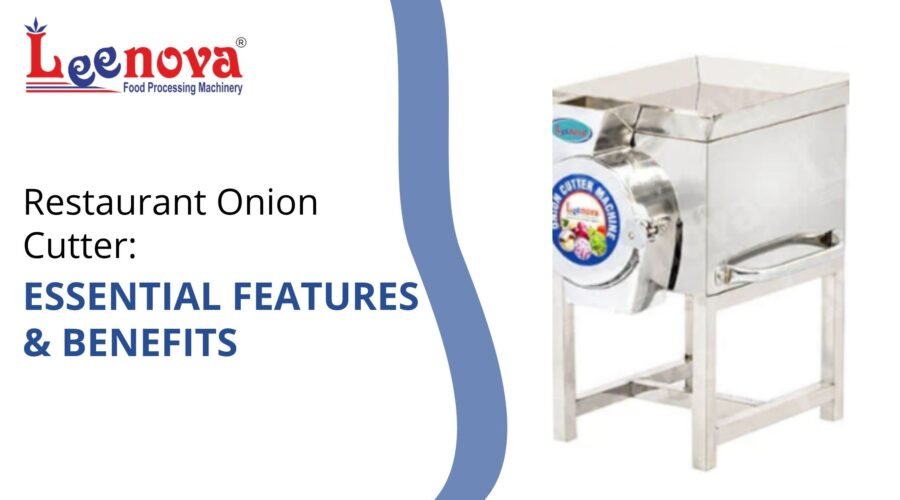
Manual onion cutting in restaurant kitchens costs ₹45-60 per hour in labor for a task that triggers eye irritation, increases injury risk, and produces inconsistent cuts. A chef cutting 30 kg of onions manually spends 2.5-3 hours on prep work, often while tears stream down their face. Research shows that 67% of kitchen knife injuries involve onion and vegetable prep, with most occurring during repetitive cutting tasks. A commercial onion cutter eliminates these problems entirely. As a food processing equipment manufacturer since 2006, we design onion cutters that process 25-200 kg per hour with uniform cuts, zero eye irritation, and

5 Essential Things Before Buying a Potato Peeler Machine

5 Essential Things Before Buying a Potato Peeler Machine

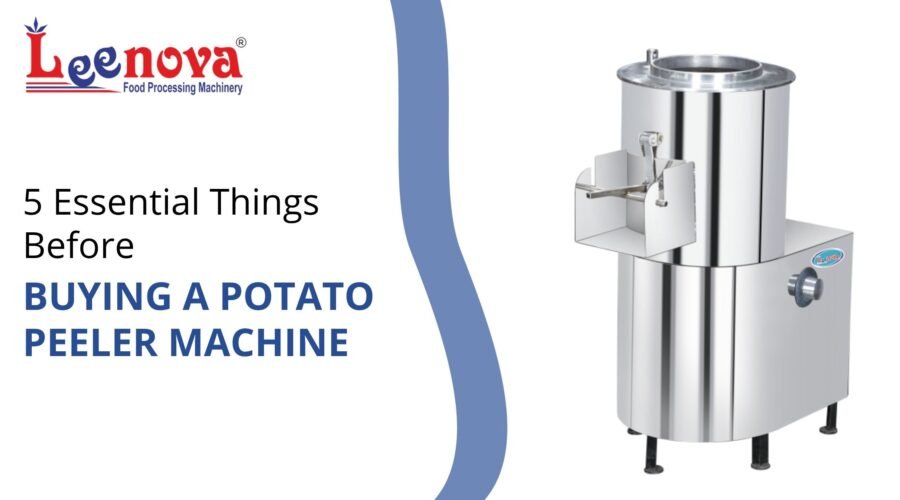
Introduction Most commercial kitchens lose 15-25% of potato volume during manual peeling. Staff spend 90-120 minutes daily on repetitive peeling tasks that slow prep cycles and increase labor costs. Buying the wrong peeler compounds these problems—undersized machines create bottlenecks during peak prep, while oversized units waste power and floor space. The right potato peeler cuts prep time by 70-80% and reduces peel waste to under 15%. Most buyers focus on drum capacity and miss critical factors like motor duty rating, abrasive drum replacement cycles, and actual throughput during continuous operation. A 20 kg machine doesn’t peel 20 kg per hour—it

Manual vs. Automated Vegetable Cutting Systems: Kitchen Fit?

Manual vs. Automated Vegetable Cutting Systems: Kitchen Fit?

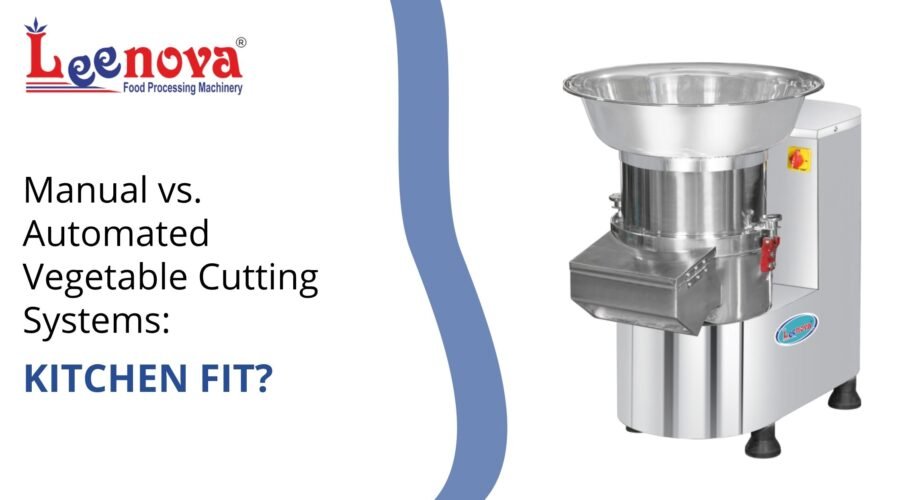
Introduction Commercial kitchens lose up to 30% of their prep time to manual cutting tasks, and most operators don’t realize it until labor costs spiral out of control. Whether you run a cloud kitchen, a hotel, or a catering business, choosing between manual and automated vegetable cutting systems determines your kitchen’s efficiency, consistency, and long-term profitability. Manual systems offer control and low upfront cost. Automated systems deliver speed, precision, and scalability. But the real question isn’t which is better—it’s which fits your operation right now and where you’re headed in the next two years. This post walks you through the