
Day: December 17, 2025

Best Carrot Juicer Buying Guide: Features & Capacity Explained
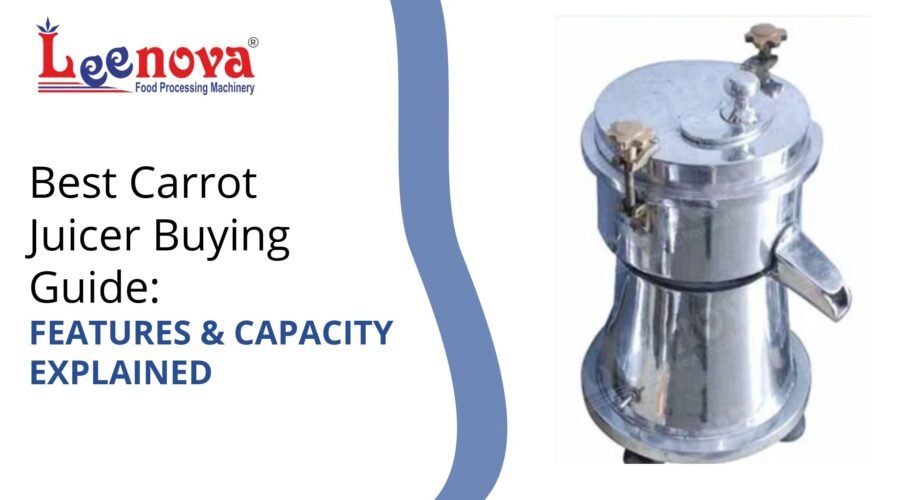
Best Carrot Juicer Buying Guide: Features & Capacity Explained
Most commercial kitchens lose 30-40% of their carrot juice yield to inefficient extraction, while home users abandon juicers within three months because cleaning takes longer than actual juicing. The wrong juicer type creates foam, oxidizes nutrients, or stalls mid-batch when processing fibrous vegetables like carrots and beets. This guide breaks down the three main juicer technologies, explains motor power and capacity metrics that actually matter, and shows how to match equipment to daily carrot volume—whether you’re juicing 10 glasses at home or 500 servings in a café. You’ll learn which features prevent common bottlenecks, how to calculate true cost per

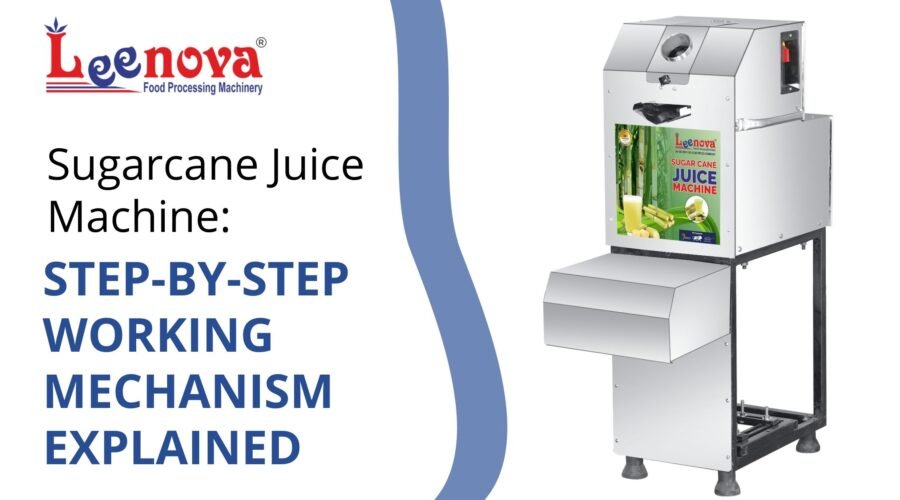
Sugarcane Juice Machine: Step-by-Step Working Mechanism Explained

Sugarcane Juice Machine: Step-by-Step Working Mechanism Explained

Sugarcane juice outlets lose the most money in places they never track: wastage, slow service, and frequent breakdowns. Staff struggle with sticky rollers, inconsistent juice output, and machines that are hard to clean mid-day. The result is longer queues, uneven taste, and tired operators. A well-designed sugarcane juice machine changes that by turning a messy, manual process into a controlled, repeatable workflow. As a commercial food equipment maker with a full range of juice machines, Leenova understands how rollers, motors, and hygiene details affect daily sales, not just specifications on a sheet. This guide walks through the step-by-step working mechanism,

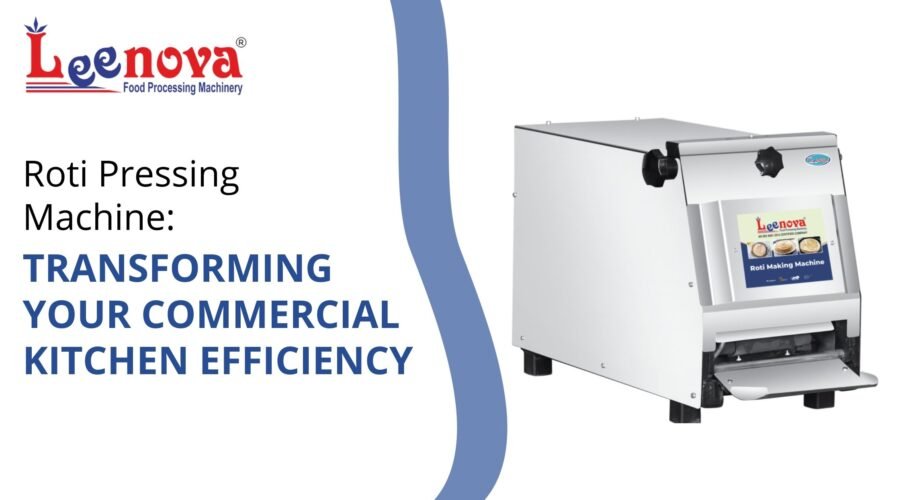
Roti Pressing Machine: Transforming Your Commercial Kitchen Efficiency

Roti Pressing Machine: Transforming Your Commercial Kitchen Efficiency

Roti rolling is one of the biggest hidden bottlenecks in commercial kitchens. Two or three staff spend hours at the counter, rolling uneven rotis that slow service and strain labor budgets. When volume spikes, quality drops first: thickness varies, diameters wobble, and puffing becomes unpredictable. A roti pressing machine changes that equation by separating skill from output and making each roti a repeatable process instead of an art form. A well-specified pressing machine can handle 500–2,000+ rotis per hour with one operator, while keeping diameter and thickness within tight tolerances. That jump in consistency has side effects managers often miss: