

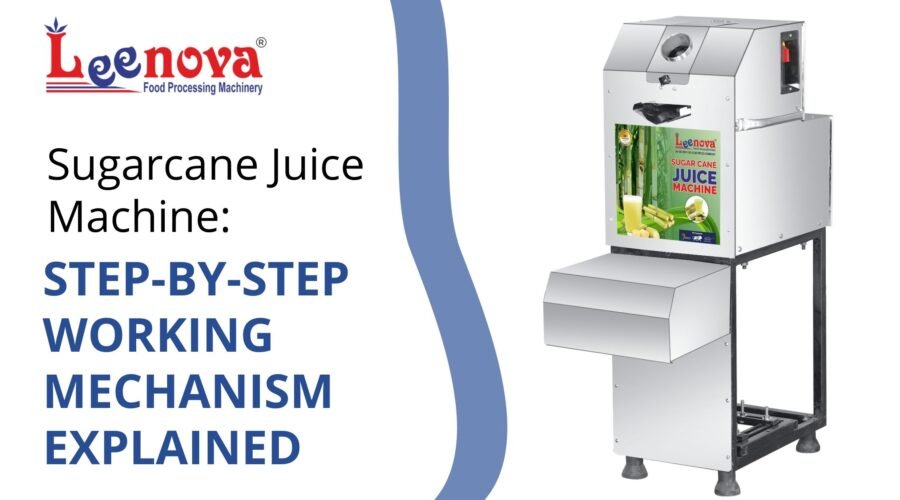
Sugarcane juice outlets lose the most money in places they never track: wastage, slow service, and frequent breakdowns. Staff struggle with sticky rollers, inconsistent juice output, and machines that are hard to clean mid-day. The result is longer queues, uneven taste, and tired operators. A well-designed sugarcane juice machine changes that by turning a messy, manual process into a controlled, repeatable workflow. As a commercial food equipment maker with a full range of juice machines, Leenova understands how rollers, motors, and hygiene details affect daily sales, not just specifications on a sheet. This guide walks through the step-by-step working mechanism, the key components, the benefits for different setups, and the safety and maintenance practices that keep revenue flowing during peak hours.
Introduction
Sugarcane juice machines are built to do one job very well: extract the maximum juice with minimum effort and wastage. When the working mechanism is clear, owners can choose the right model, run it efficiently, and extend its life. This article explains how a modern sugarcane juice machine works from feeding to pulp discharge, which features matter most in real-world use, and how these choices impact yield, speed, hygiene, and running cost.
Types of sugarcane juice machines
Manual, semi-automatic, and automatic
- Manual machines use hand-operated cranks and suit very low-volume operations.
- Semi-automatic machines use an electric motor to drive rollers while the operator feeds and guides the cane.
- Fully automatic machines integrate feeding, crushing, filtering, and juice discharge with minimal operator intervention.
Portable vs stationary units
- Portable units mount on compact frames with wheels for kiosks, carts, and event stalls.
- Stationary units use heavier frames, bigger motors, and higher-capacity rollers for shops, juice bars, and high-footfall locations.
Step-by-step working mechanism
Step 1: Sugarcane preparation and feeding
- The operator trims the cane ends, removes hard knots, and washes the stalks to remove mud and dust.
- Cane is fed through an inlet or hopper designed to align the stalks with the rollers.
- Feed rate matters: steady feeding maintains motor load, protects components, and delivers uniform extraction.
Step 2: Roller crushing and juice extraction
- A set of grooved stainless steel rollers rotates towards each other, gripping and pulling the cane through.
- The adjustable gap between rollers compresses the cane fibers and squeezes out juice under high pressure.
- Many machines pass the same stalk through the rollers 2–3 times in a single path (multi-press) to increase juice yield without re-feeding.
Step 3: Juice collection and filtration
- Extracted juice falls into a collection tray positioned under the rollers.
- A primary filter (wire mesh or perforated plate) traps fibers, bark, and large particles.
- Some setups add a secondary filter or fine strainer to improve clarity before the juice flows into serving jugs or storage containers.
Step 4: Pulp discharge and waste handling
- Crushed cane (bagasse) exits through a dedicated outlet or chute.
- The machine shapes the pulp into strips or blocks that stack easily in tubs or bags.
- Clear pulp discharge keeps the work area clean and reduces manual handling time.
Key components and features
Roller design and material
- Food-grade stainless steel rollers resist rust and pitting from sugar acids and water.
- Deep, well-designed grooves grip wet stalks effectively, reducing slip and motor strain.
- Adjustable roller gap allows fine-tuning for different cane diameters and moisture levels.
Motor specifications
- Single-phase motors (commonly 0.5–1.5 HP) are enough for most kiosks and small shops.
- Correct RPM balance ensures strong crushing force without shaking, vibration, or overheating.
- Overload protection and proper wiring reduce downtime and extend motor life.
Juicing chamber, hopper, and filtration
- Covered juicing chambers protect product from dust, insects, and direct hand contact.
- Sloped hoppers guide cane straight into rollers and reduce jamming.
- Removable filters and trays simplify cleaning between batches and at closing time.
Benefits for commercial operations
Higher juice yield and less wastage
- Multi-roller designs and proper compression settings can extract significantly more juice per stalk than basic or worn-out machines.
- Better yield means fewer cane bundles for the same daily revenue, improving profit margins silently in the background.
Speed, consistency, and customer experience
- A well-configured machine can process one cane stick in a few seconds, keeping queues moving during rush hours.
- Consistent pressure and roller speed produce stable taste and texture throughout the day, which keeps repeat customers coming back.
- Operators work faster with less physical effort, leading to fewer mistakes and better service.
Hygiene and easy cleaning
- Stainless steel contact parts wash down quickly and resist odor buildup.
- Smooth surfaces and removable trays reduce trapped residue where bacteria can grow.
- Machines designed for fast cleaning between customers give you an edge in visible hygiene, which increasingly drives buying decisions.
Applications in different settings
Street stalls and kiosks
- Need compact, robust machines that run on standard single-phase power and handle frequent starts and stops.
- Portability and easy cleaning at the end of each day matter more than extreme capacity.
Juice bars and restaurants
- Focus on stable performance, low noise levels, and clean aesthetics that match the front-of-house environment.
- Integrating the machine into a visible prep counter can act as a live demonstration of freshness.
Events, catering, and mobile setups
- Require machines that can be moved, set up, and packed down quickly without special tools.
- Rugged construction and reliable operation are critical because breakdowns at events directly hit brand image and sales.
Safety and operational guidelines
Pre-use checks
- Inspect rollers, guards, belts, and electrical connections before daily operation.
- Confirm that emergency stop switches and covers function properly.
- Verify that filters and trays sit correctly to avoid leaks and spills.
Operating best practices
- Train staff to feed cane from a safe distance using designed inlets, not hands near rollers.
- Maintain steady, controlled feeding; forcing oversized or bent stalks increases jamming and wear.
- Avoid running the machine dry for long periods, which stresses bearings and motor.
Cleaning and maintenance
- Rinse filters and trays regularly during the day to prevent fiber buildup.
- At closing, wash all juice-contact surfaces with clean water and food-safe cleaning agents.
- Schedule periodic lubrication, belt tension checks, and roller inspections to prevent surprise failures.
Market trends and buyer insights
Demand for stainless steel and enclosed designs
- Customers increasingly judge outlets by visible cleanliness and machine condition.
- Enclosed stainless steel machines, even at a slightly higher price, tend to drive more walk-in confidence and repeat business.
Energy-efficient and low-noise models
- Operators running machines long hours pay close attention to electricity costs and comfort.
- Quieter, smoother machines make it possible to place the unit near seating without disturbing customers.
Why choose Leenova sugarcane juice machines
Leenova focuses on sugarcane juice machines that balance yield, hygiene, and durability instead of chasing only low upfront cost. The machines use heavy-duty rollers, food-contact stainless steel, and practical layouts that make daily cleaning and service straightforward. Capacity options suit kiosks, shops, and higher-volume outlets, all built around standard Indian power conditions.
FAQs
Q: How much cane can a commercial sugarcane machine process per hour?
A: Throughput depends on motor power, roller design, and operator speed. A well-designed commercial unit typically handles dozens of sticks per hour comfortably, enough to serve steady queues without creating long waiting times.
Q: How often should a sugarcane juice machine be cleaned?
A: Juice-contact parts should be rinsed multiple times during the day and thoroughly washed at closing. Regular cleaning protects taste, hygiene, and component life, and customers quickly notice the difference in both flavor and appearance.
Q: Can the same machine handle different cane sizes and qualities?
A: Yes, as long as the roller gap and feed method are appropriate. Machines with adjustable settings cope better with seasonal variations in cane thickness, hardness, and juice content.
Conclusion
A sugarcane juice machine is more than a set of rollers and a motor; it is a small production line that affects yield, speed, hygiene, and daily profit. Understanding its step-by-step working mechanism helps buyers select the right configuration and use it to its full potential.
Leenova Kitchen Equipments designs sugarcane juice machines for real Indian operating conditions: long hours, high footfall, and demanding customers. The focus stays on strong extraction, stainless steel hygiene, and layouts that operators can clean and service quickly.
For owners upgrading or setting up a new outlet, the right machine can reduce wastage, cut labor effort, and lift customer confidence in every glass served.
Ready to upgrade your sugarcane juice setup? Contact Leenova Kitchen Equipments today to choose a machine that matches your volume, space, and hygiene goals.