

Day: December 24, 2025

Halwa Machine Buying Guide: Essential Things You Need to Know
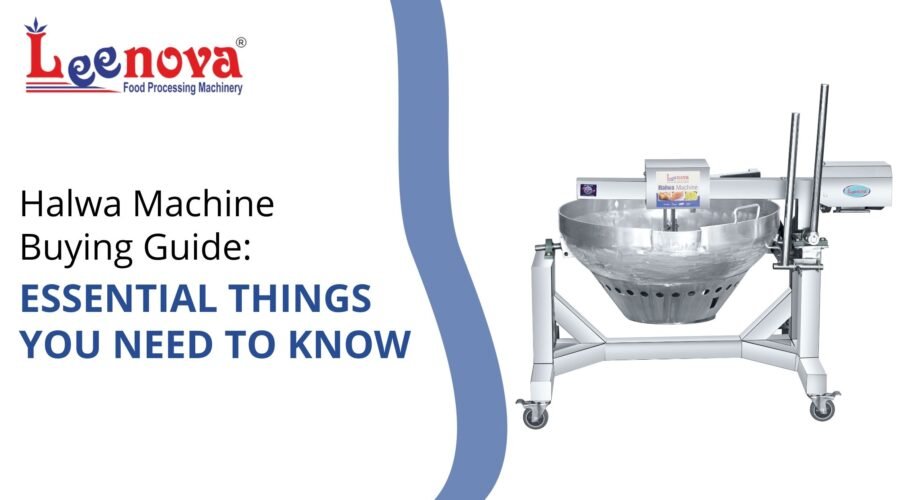
Halwa Machine Buying Guide: Essential Things You Need to Know
Manual halwa production locks sweet shops into 8–12 kg batches, burns 90–120 minutes per batch, and demands constant stirring that costs ₹40–50 per hour in skilled labor. Taste varies batch to batch because flame control, scraping pressure, and timing depend on whoever holds the ladle that shifts. Scale beyond 30–40 kg daily output, and you hit a labor wall—staff fatigue ruins consistency, margins shrink, and festival-season demand becomes a bottleneck you can’t fix by hiring more hands. A commercial halwa machine changes batch size, consistency, and throughput. Jacketed kettles with auto-scrapers cook 25–100 kg per batch with even heating, eliminate

Commercial Farsan & Namkeen Machinery for High-Volume Production

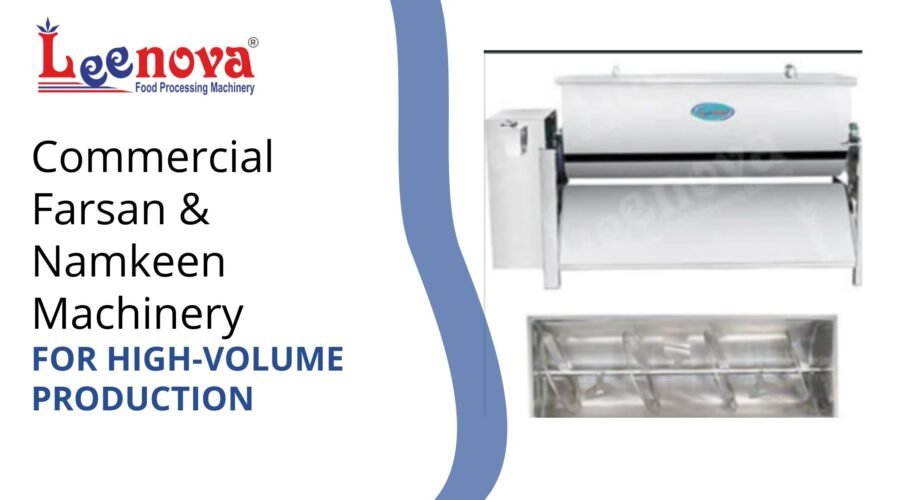
Commercial Farsan & Namkeen Machinery for High-Volume Production

Most Farsan and namkeen units hit a ceiling long before demand does. Labour-heavy frying, uneven product shape, and slow batch turnover quietly cap daily output, even when orders keep growing. The gap usually isn’t in recipes but in machinery: mixers that can’t handle tight besan dough, extruders that vary thickness, and fryers that waste fuel and oil. Commercial Farsan and namkeen machinery fixes these choke points by standardising mixing, shaping, frying, and seasoning at scale. This guide explains the main machine types, how to think about kg/hr capacity, what features actually impact your margins, and how to size a line