
Day: January 15, 2026

Industrial Vegetable Peeler & Cutter: Maximize Yield, Cut Waste
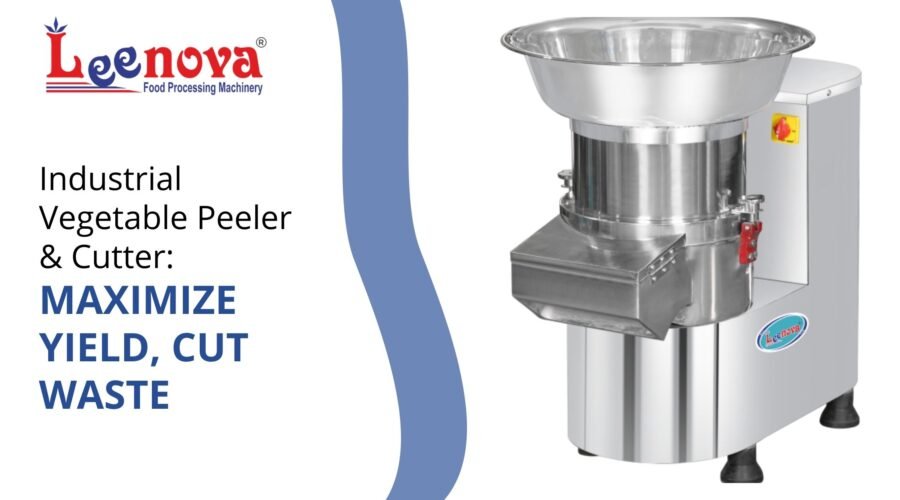
Industrial Vegetable Peeler & Cutter: Maximize Yield, Cut Waste
Manual vegetable prep in commercial kitchens typically wastes 18-25% of raw material through over-peeling, uneven trimming, and inconsistent portioning. A cook peeling 50 kg of potatoes manually removes 12-15 kg as waste; an industrial peeler extracts the same usable product with just 8-10 kg loss—a 30-40% improvement in yield. That difference compounds across thousands of kilograms monthly, turning waste into margin. Industrial vegetable peeler and cutter machines automate both steps, delivering uniform peel thickness, consistent cut sizes, and measurable cost savings. This guide explains how these machines work, the capacity bands that match different operations, which features actually improve yield

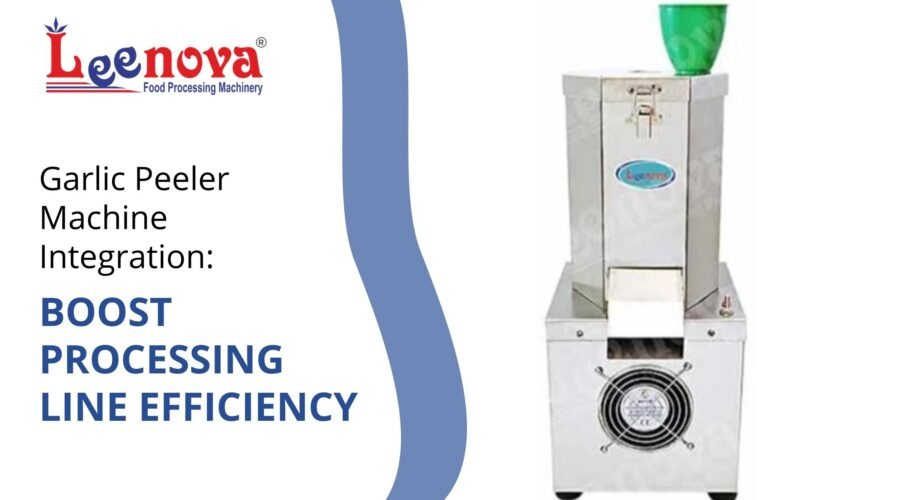
Garlic Peeler Machine Integration: Boost Processing Line Efficiency

Garlic Peeler Machine Integration: Boost Processing Line Efficiency

Food processing lines lose the most efficiency at manual bottlenecks. Garlic peeling operations create the worst delays—processors handling 200-500 kg daily spend 40-50% of total production time on this single task when done manually or with standalone batch machines. Workers peel, inspect, and sort while downstream cutting, washing, and packaging equipment sits idle waiting for material flow. An integrated garlic peeler machine transforms this bottleneck into continuous throughput. Full processing lines with automated feeding, peeling, separation, and discharge systems can handle 100-2000 kg per hour with 2-3 operators versus 15-20 workers for equivalent manual capacity. As commercial kitchen equipment manufacturers

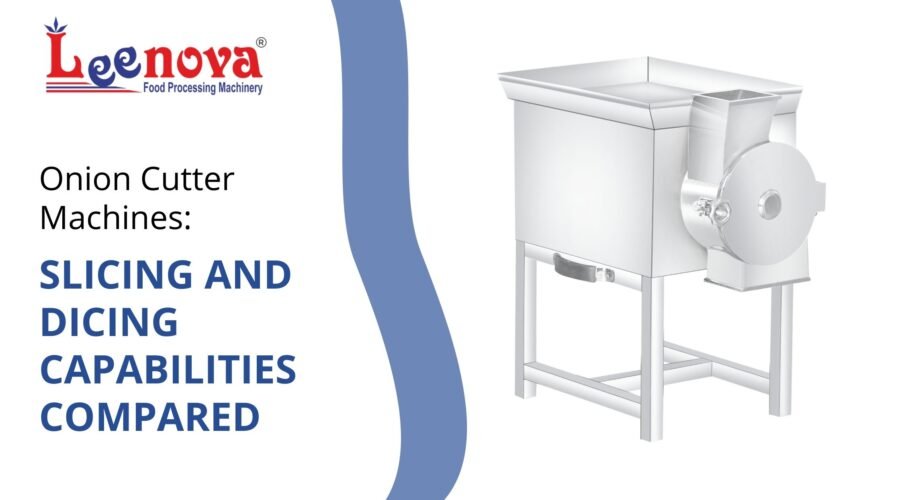
Onion Cutter Machines: Slicing and Dicing Capabilities Compared

Onion Cutter Machines: Slicing and Dicing Capabilities Compared

Introduction Most commercial kitchens buy onion cutters based on price and capacity alone, then discover the machine can’t deliver the cut styles their menu requires. A slicer produces uniform rounds perfect for burgers but useless for curries. A dicer creates cubes ideal for stir-fries but can’t handle the thin rings needed for salads. Buying the wrong type means staff still do 40-60% of cutting by hand, defeating the automation investment. The difference between slicing and dicing isn’t just blade configuration—it affects prep speed, waste percentages, menu versatility, and maintenance requirements. Multi-function machines promise both capabilities but often compromise on precision