
Month: February 19, 2026

Types of Sugar Cane Juice Machines: A Guide to Their Uses

Sugar Cane Juice Machines

Choosing the wrong sugarcane juice machine costs vendors money in three ways: low juice yield wastes 20-30% of purchased cane, slow extraction creates customer queues that lose sales, and poor construction causes breakdowns during peak hours. A street vendor processing 50-60 canes daily loses ₹300-400 weekly from inefficient extraction alone, while equipment downtime during evening rush hours can cost ₹800-1,200 in missed revenue. The market offers five distinct sugarcane juicer machine types—manual, electric single-roller, electric multi-roller, semi-automatic, and fully automatic—each suited to specific volume levels, locations, and budgets. As commercial kitchen equipment manufacturers in Gujarat since 2006, we supply sugarcane

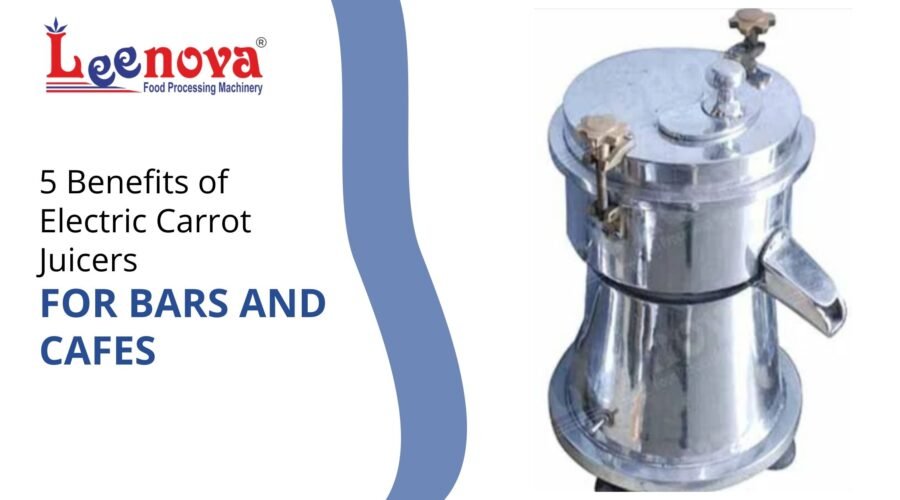
5 Benefits of Electric Carrot Juicers for Bars and Cafes

Electric Carrot Juicers

Introduction Most bars and cafes rely on manual juicing or pre-made mixes for vegetable-based drinks, then watch customer orders spike for fresh carrot juice they can’t fulfill efficiently. Manual juicing takes 3-4 minutes per glass during peak service, creating bottlenecks that slow the entire bar. Staff avoid offering carrot drinks because prep is tedious, even though customer willingness to pay ₹120-₹180 per glass makes vegetable juices more profitable than many cocktails. Electric carrot juicers process 15-20 pieces per minute with minimal supervision, transforming vegetable drinks from occasional specials into reliable menu items. The uncomfortable truth most operators discover late: a

5 Creative Ways to Use a Pan Coating Machine in Production

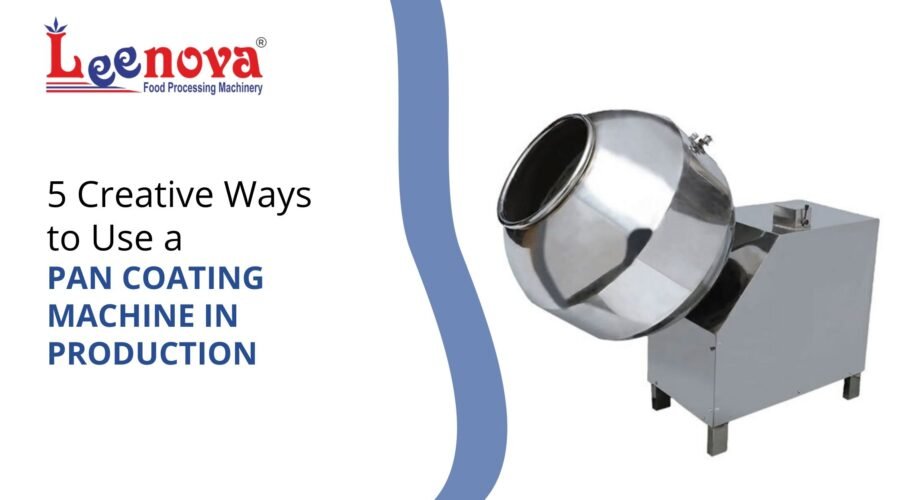
5 Creative Ways to Use a Pan Coating Machine in Production

Most snack makers buy coating pans for one product—masala peanuts or chocolate almonds—then leave the machine idle 60–70% of production hours because they never explore what else it can do. A ₹40,000–80,000 coating pan sitting empty during off-peak seasons or between batches wastes capital and floor space that could generate 3–5 additional product SKUs without extra equipment investment. Pan coating machines handle dry spices, liquid glazes, sugar syrups, chocolate, and even functional coatings like yogurt or protein on nuts, seeds, dried fruits, puffed snacks, and confectionery centers. The same drum that coats chili peanuts in the morning can layer chocolate

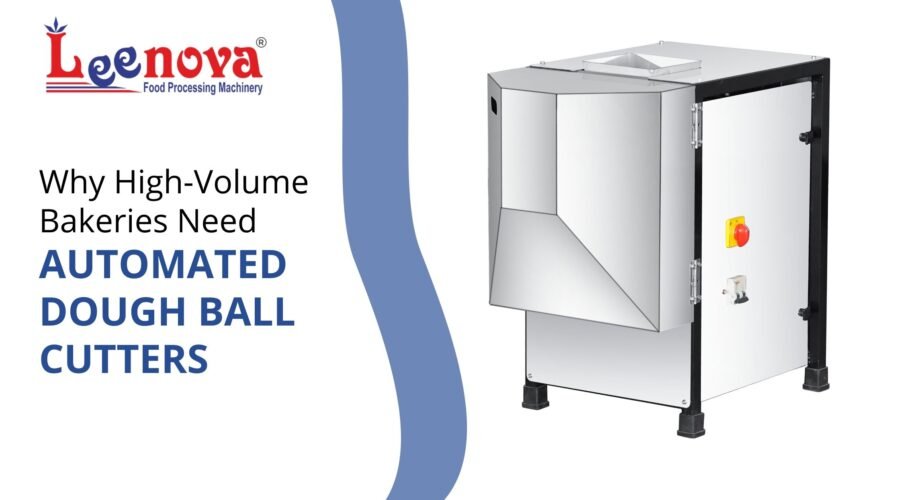
Why High-Volume Bakeries Need Automated Dough Ball Cutters

Automated Dough Ball Cutters

Manual dough portioning is where most scaling bakeries hit their ceiling. A skilled worker shapes 200-250 pav balls per hour, but consistency suffers—portions vary 10-15g, creating uneven baking and customer complaints about “today’s pav being smaller”. When daily demand crosses 2,000-3,000 pieces, bakeries need 8-10 hours of dedicated hand-shaping labor, tying up workers who could handle finishing, packing, or customer service. Automated dough ball cutters eliminate this bottleneck, producing 500-4,000 uniform portions per hour with ±2% weight accuracy. This guide explains why high-volume operations can’t scale without automation, how to match machine capacity to production targets, which features actually matter

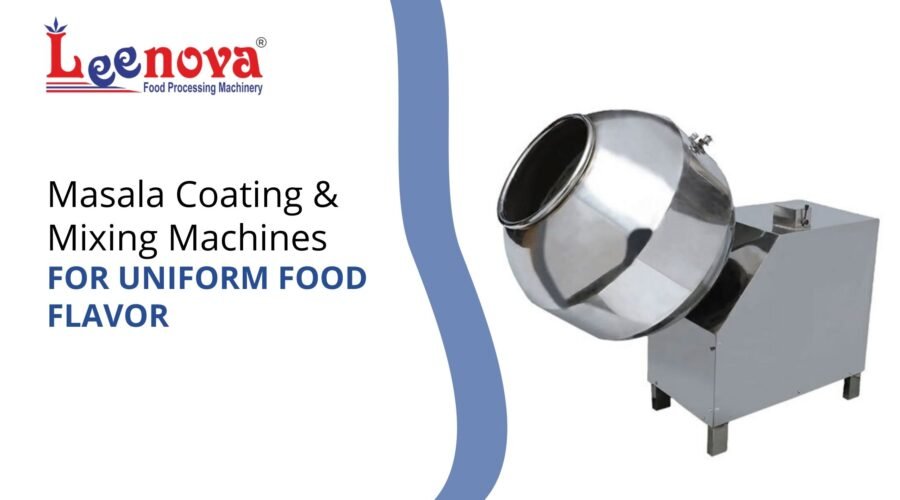
Masala Coating & Mixing Machines for Uniform Food Flavor

Masala Coating & Mixing Machines

Manual masala coating creates flavor inconsistency that customers notice immediately. One handful of namkeen tastes over-spiced while the next tastes bland—the result of hand-mixing in tubs where some pieces get heavy coating while others barely touch the masala. Snack producers mixing 50-100 kg batches manually lose 12-18% of expensive seasoning to floor spills, tub residue, and uneven distribution. Quality control becomes impossible when every batch varies despite using identical recipes. Masala coating pans and mixing machines eliminate this variation completely. Rotating drums tumble products with controlled masala addition, delivering 95-98% coating uniformity across every piece in 3-5 minutes per batch.

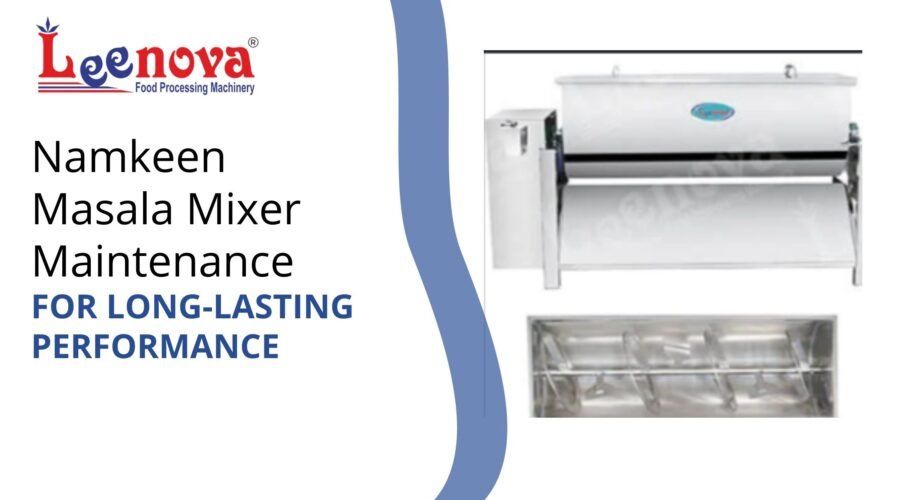
Namkeen Masala Mixer Maintenance for Long-Lasting Performance

Namkeen Masala Mixer Maintenance for Long-Lasting Performance

Introduction Namkeen masala mixers run 6-8 hours daily in most snack plants, yet 70% of operators skip cleaning until sticky buildup forces a shutdown. The pattern repeats: masala cakes onto drum surfaces, blending becomes uneven, product breaks during tumbling, and seasoning waste jumps from 3% to 12-15%. What started as a skipped 10-minute cleaning becomes a 4-hour scraping session with production halted. Structured maintenance cuts seasoning waste by half while extending mixer life from 4-5 years to 8-10 years. The uncomfortable reality: most mixer “failures” trace to neglect, not design flaws. Loose bolts create vibration that cracks welds. Dry bearings