

Day: February 24, 2026

Ultimate Guide to Choosing the Right Nylon Sev Machine
Ultimate Guide to Choosing the Right Nylon Sev Machine
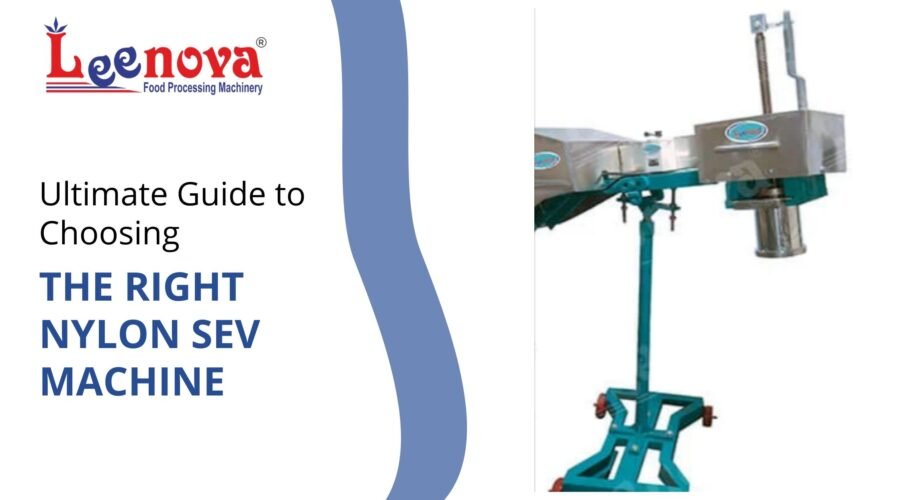
Small namkeen shops and farsan units making nylon sev by hand—or with undersized presses—cap out at 10–15 kg per hour, produce inconsistent strand thickness from batch to batch, and keep operators physically fatigued by manual pressing for 6–8 hours daily. The real cost shows up on busy days: one operator making sev manually produces 50–60 kg per 8-hour shift; a correctly sized motorized machine processes that same volume in 60–90 minutes, freeing the same person to handle seasoning, frying, or packing. A nylon sev machine extrudes besan dough through interchangeable jali discs at controlled pressure, delivering uniform 0.5–2 mm strands

Roti Pressing Machine vs. Manual Rolling: Pros and Cons

Roti Pressing Machine vs. Manual Rolling

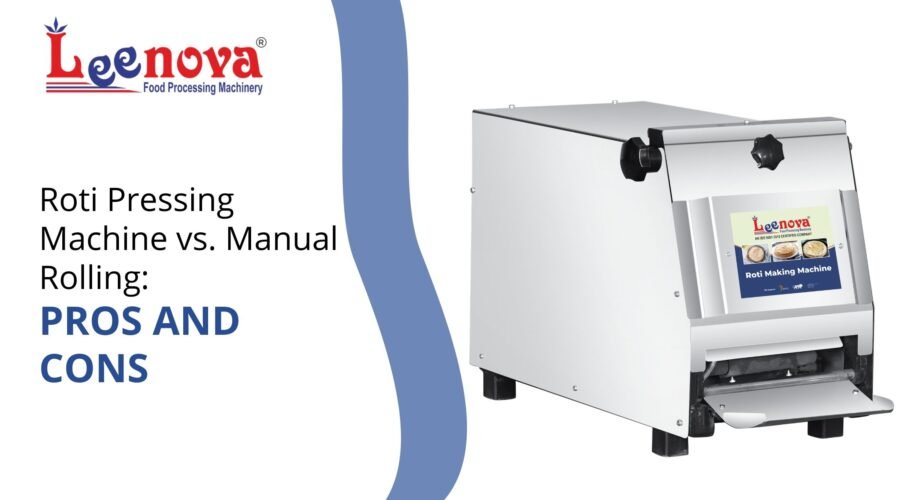
A skilled roti maker produces 25-35 rotis per hour—adequate for a small dhaba but disastrous for a restaurant serving 200 covers during lunch rush. Manual rolling also creates thickness variation of 1-2mm, enough to leave some rotis doughy while others crisp up unevenly. As orders grow, kitchens hire 3-4 roti makers just to keep pace, paying ₹15,000-₹25,000 monthly per worker for repetitive strain that drives 40-50% annual turnover. Roti pressing machines shift this equation dramatically: even basic models produce 100-200 rotis hourly with uniform thickness, while fully automatic lines hit 500-700 rotis per hour. This comparison breaks down production capacity,