

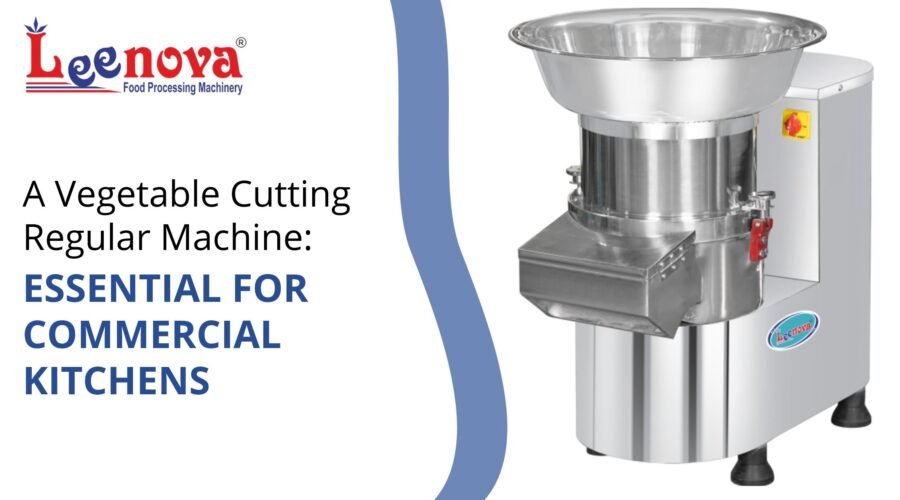
Introduction
Commercial kitchens waste 2-3 hours daily on manual vegetable cutting for 200+ meal operations. Staff fatigue, inconsistent cuts, and prep bottlenecks during peak hours slow service and raise labor costs. Manual cutting creates 15-20% more vegetable waste through uneven sizing and poor knife technique.
A regular vegetable cutting machine reduces prep time by 65-75% while delivering uniform cuts that cook evenly and present professionally. Most buyers focus on motor power and miss critical factors like actual throughput during continuous operation, blade versatility for multiple cut styles, and maintenance cycles that affect uptime.
The wrong machine creates new problems—undersized capacity forces operators into endless batch cycles, single-function units require multiple machines, and cheap construction fails within 8-12 months. This guide covers capacity matching, blade configurations, motor specifications, multi-functionality, and maintenance requirements that determine real-world performance.
Understanding Capacity Requirements
Advertised vs Actual Output
Manufacturers rate machines under ideal conditions: medium-sized vegetables, experienced operators, minimal cleaning breaks. A machine rated for 200 kg/hr typically delivers 140-160 kg/hr in actual kitchen use.
Small operations (80-120 kg daily) need 0.5 HP machines rated for 100-200 kg/hr. Medium kitchens (200-350 kg daily) require 1 HP units handling 200-300 kg/hr. Large operations (500+ kg daily) need 2 HP machines processing 400-600 kg/hr.
Matching Volume to Meal Count
Plan for roughly 600-800 grams of cut vegetables per 10 meals served. A restaurant serving 200 meals daily needs 120-160 kg vegetable processing capacity. Choose machines that complete this volume in 45-60 minutes, not 2-3 hours.
Peak prep windows matter more than daily totals. Operations needing 100 kg cut before lunch service require higher throughput than those spreading prep across morning and evening shifts.
Motor Power and Performance
Half-Horsepower Limitations
Half-HP motors (0.5 HP) run continuously for 60-90 minutes before needing 15-minute cooling breaks. These suit operations doing 2-3 prep sessions daily with breaks between shifts. Pushing continuous operation causes motor overheating and premature failure.
One-horsepower units handle 2-3 hours continuous duty without cooling breaks. Most commercial kitchens need this minimum for uninterrupted morning prep. Two-HP machines run 4+ hours, suitable for central kitchens and food processors doing all-day cutting.
Electrical Requirements
Small machines (0.5-1 HP) use single-phase 220-240V power available in standard kitchens. Larger units (1.5+ HP) may need three-phase 440V requiring commercial electrical infrastructure. Verify power availability before ordering—retrofitting three-phase costs ₹20,000-₹35,000.
Single-phase motors above 1 HP experience startup torque issues when heavily loaded. The machine takes 12-18 seconds reaching full speed, extending cycle times.
Cutting Versatility and Blade Options
Multi-Function Capability
Regular cutting machines offer 4-8 blade configurations for different cut styles. Standard options include:
- Slicing blades (2-8mm thickness) for chips, rounds, salads
- Dicing grids (6x6mm, 10x10mm, 15x15mm) for curries, stir-fries
- Julienne blades (3-5mm strips) for garnishes, coleslaw
- French fry cutters (8x8mm, 10x10mm) for potato preparations
- Grating attachments for cheese, vegetables
Multi-function units cost 20-30% more than single-purpose slicers but eliminate the need for 3-4 specialized tools. This versatility justifies investment in medium to large operations cutting diverse vegetables daily.
Blade Quality and Replacement
Commercial-grade blades use high-carbon stainless steel that holds edges through 3-4 months of daily use. Lower-grade blades dull within 4-6 weeks, requiring frequent sharpening that disrupts operations.
Blade replacement costs ₹1,500-₹4,000 per set depending on machine size and blade complexity. Budget annual blade expenses at 8-12% of machine purchase price. Machines with readily available blade sets reduce downtime from days to hours.
Vegetable Compatibility
Multi-Vegetable Processing
Regular cutting machines handle most firm vegetables effectively:
Excellent performance: Potato, onion, carrot, cucumber, beetroot, ginger, cabbage, capsicum
Good performance: Tomato, radish, turnip, raw banana, sweet potato, bottle gourd
Limited performance: Leafy vegetables, soft herbs, irregular shapes requiring specialized attachments
Each vegetable type affects machines differently. Ginger and hard carrots wear blades 30-40% faster than soft cucumbers. Operations cutting high volumes of mixed vegetables need more frequent blade maintenance.
Performance Variations
Cutting capacity varies by vegetable density. A 200 kg/hr potato-rated machine typically processes only 140-160 kg/hr onions due to layering and moisture differences. Plan capacity accordingly when cutting multiple vegetable types daily.
Build Quality Standards
Stainless Steel Construction
All food-contact surfaces must use SS 304 grade or higher for hygiene and corrosion resistance. Cheaper machines use SS 202 that stains, corrodes, and develops rust within 6-10 months.
Body construction affects longevity. Premium units use full SS bodies weighing 40-90 kg depending on capacity. Mixed construction (SS cutting chamber, aluminum or powder-coated frame) cuts costs by 15-20% without compromising food safety.
Component Durability
Motor housing, gear assembly, and bearing quality determine maintenance frequency. Quality machines use sealed bearings that last 18-24 months. Economy versions need bearing replacement every 8-12 months at ₹2,000-₹3,500 per service.
Belt-driven systems require tension adjustment every 3-4 months and belt replacement annually. Direct-drive models eliminate these maintenance points but cost 10-15% more upfront.
Maintenance and Operating Economics
Daily and Weekly Maintenance
Daily cleaning takes 12-18 minutes: disassemble blades and cutting chamber, wash in soapy water, dry thoroughly, reassemble. Skipping this protocol leads to bacterial buildup and cross-contamination issues.
Weekly maintenance includes lubricating moving parts, checking belt tension, and inspecting blades for damage. This routine maintenance extends machine life by 40-50% compared to neglected units.
Blade Sharpening and Replacement
Blades maintain peak performance for 3-4 months with daily use. Performance gradually declines—cutting speed drops 20-30%, and waste increases from uneven cuts. Professional sharpening costs ₹800-₹1,500 per blade set and extends life by 30-45 days.
Full replacement every 4-6 months costs ₹1,500-₹4,000 depending on blade complexity. Operations running two shifts daily need replacement every 3-4 months.
Safety Features and Operator Training
Essential Safety Mechanisms
Commercial machines need emergency stop buttons, feed chute guards, and motor interlock systems that prevent operation when covers are open. These features add 8-12% to purchase cost but reduce workplace accidents significantly.
Push plates and safety hoppers keep hands away from blades during operation. Machines lacking these protections create liability issues and increase insurance costs.
Operator Skill Requirements
Staff learn safe operation in 20-30 minutes of supervised training. Focus training on proper vegetable loading, blade selection, emergency procedures, and cleaning protocols rather than complex operational techniques.
High staff turnover operations benefit from machines with simplified controls and clear safety labeling. Complex multi-button interfaces increase training time and operational errors.
Floor Space and Installation
Physical Footprint
Compact units (0.5-1 HP) need roughly 2×2 feet counter space. Medium machines (1-2 HP) require 3×3 feet floor area. Plan for 12-18 inches clearance on all sides for operator access and ventilation.
Machine weight ranges from 28 kg for small units to 90+ kg for industrial models. Heavy machines need reinforced counters or dedicated floor stands.
Power and Drainage
Single-phase machines plug into standard outlets. Three-phase units need dedicated circuits with proper amperage ratings. Place machines near electrical sources to avoid extension cords that create safety hazards.
No special drainage needed, but place machines near sinks for easy cleaning access. Water-resistant electrical components allow operation in humid kitchen environments.
Cost Analysis and ROI
Investment vs Labor Savings
Entry-level 0.5 HP machines cost ₹12,000-₹20,000 and replace 45-60 minutes daily manual cutting. At ₹200/hour labor cost, monthly savings reach ₹6,000-₹8,000. Machines pay for themselves in 2-3 months excluding waste reduction benefits.
One-HP commercial units (₹35,000-₹50,000) replace 90-120 minutes daily labor, saving ₹12,000-₹15,000 monthly. Payback period runs 3-4 months. Industrial 2 HP machines justify higher investment through proportional labor displacement.
Operating Costs
Power consumption runs ₹8-₹12 daily for 1 HP machines operating 2 hours at commercial electricity rates. Annual power cost totals ₹3,000-₹4,500—negligible compared to labor savings.
Maintenance (blades, belts, bearings) costs ₹8,000-₹12,000 annually for moderate-use scenarios. Total three-year operating cost (power + maintenance) typically equals 35-45% of initial purchase price.
FAQs
What capacity do I need for a 250-seat restaurant?
Plan for 150-200 kg daily vegetable cutting for full-service restaurants. Choose a 1 HP machine rated for 200-300 kg/hr to complete morning prep in 60-75 minutes. Peak-hour requirements trump daily volume—if you need 120 kg prepped before lunch service, the 1 HP minimum ensures timely completion.
How often should blades be replaced in heavy-use kitchens?
Blades maintain peak performance for 3-4 months with single-shift daily use. Two-shift operations need replacement every 2.5-3 months. Watch for declining cut quality and increased processing time as indicators. Professional sharpening at the 6-8 week mark extends blade life by 30-45 days.
Can one machine handle all vegetable types effectively?
Multi-function machines with 6-8 blade configurations handle 85-90% of commercial kitchen vegetable prep. Leafy vegetables, decorative cuts, and irregular shapes still need manual prep or specialized equipment. Expect 60-70% reduction in total cutting time, not complete elimination.
Do small machines really justify the investment?
Entry-level 0.5 HP machines (₹12,000-₹20,000) save 45-60 minutes daily. At typical labor rates, monthly savings reach ₹6,000-₹8,000. Factor waste reduction (10-15% less vegetable loss) and improved portion consistency into ROI calculations. Most operations recover investment within 2-3 months.
What maintenance can staff handle versus needing technicians?
Daily cleaning, blade installation, and basic inspection require no special skills. Staff learn these tasks in 15-20 minutes. Belt tension adjustment, bearing lubrication, and motor service need trained technicians. Annual maintenance contracts cost ₹4,000-₹7,000 for preventive service including blade sharpening.
Conclusion
Capacity matching, motor specifications, blade versatility, build quality, and maintenance economics determine long-term value. Match machine throughput to peak prep demands, not daily averages. Verify stainless steel grade and blade replacement costs before purchase.
Calculate total cost including power consumption, blade replacement, and maintenance over three years. Factor labor savings and waste reduction into ROI analysis. Most commercial operations recover investment within 2-4 months through efficiency gains alone.
Leenova Kitchen Equipment supplies commercial-grade vegetable cutting machines engineered for continuous-duty kitchen environments. Our specifications team helps calculate actual throughput requirements based on your menu diversity, service volume, and prep schedules—not generic capacity claims. Visit leenovakitchenequipments.com or contact us for machine sizing, blade configuration planning, and ROI analysis specific to your commercial kitchen operation.