
Author: LKE_Admin

Namkeen Masala Mixer Machines: Features, Benefits, and Buyer’s Guide

Namkeen Masala Mixer Machines: Features, Benefits, and Buyer's Guide

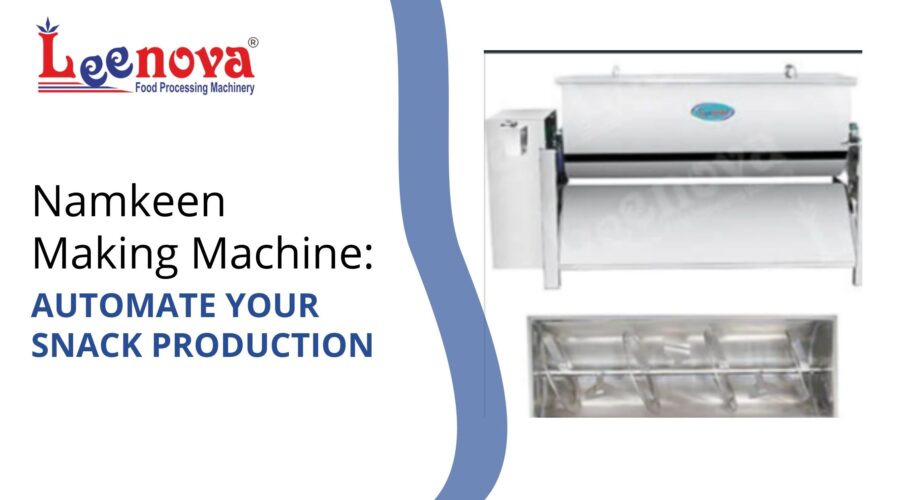
Manual masala mixing in namkeen production creates uneven coating, product breakage, and wasted spices. Workers mixing 40-50 kg batches by hand in large tubs spend 15-20 minutes per batch achieving inconsistent results that customers notice in every bite. Some pieces get over-coated while others stay bland, creating taste variation that hurts brand reputation. A dedicated namkeen masala mixer machine eliminates these problems completely. These machines tumble namkeen gently while coating evenly with oil and spices, delivering uniform flavor in 3-5 minutes per batch. As commercial food equipment manufacturers, we’ve supplied mixing machines to namkeen units across capacities from 10 kg

Maintain Your Electric Dough Ball Cutter for Peak Performance

Maintain Your Electric Dough Ball Cutter for Peak Performance

Introduction Most commercial kitchens discover their dough ball cutter is drifting off-spec only after complaints pile up: uneven rotis, inconsistent cooking times, or worse—mid-service breakdowns. A machine cutting 2,000+ dough balls daily accumulates flour dust, sticky residue, and micro-wear on blades and guides faster than operators expect. Neglect these small issues for a week and portion variance jumps from ±2 grams to ±8 grams, turning a precision tool into a guessing game. Structured maintenance keeps cutting accuracy within tight tolerances, prevents emergency repairs that halt production, and extends machine life by 40-60%. The catch: most kitchens treat dough cutters like

Beginner’s Guide to Coating Pans: Snacks & Confectionery

Beginner's Guide to Coating Pans: Snacks & Confectionery

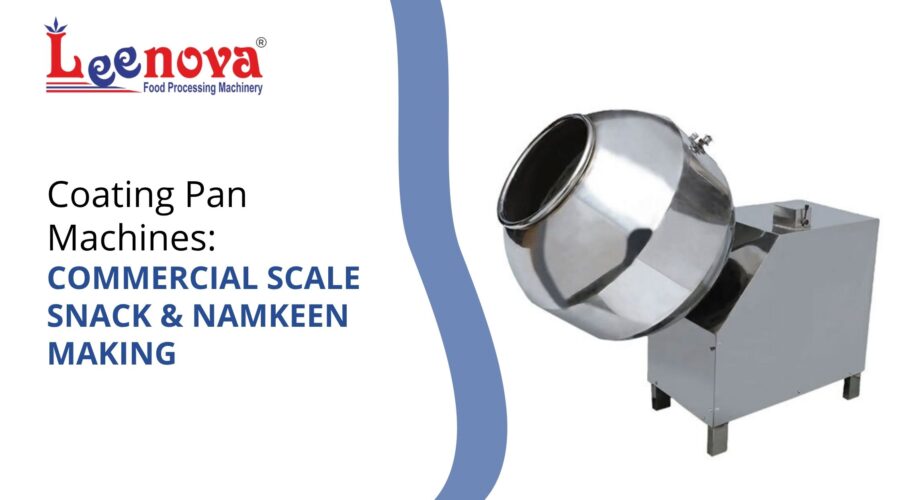
Most small snack makers lose 30–40% of their coating material to uneven hand-application, waste bowls, and rework batches. They pour chocolate over peanuts in trays, toss namkeen with masala in plastic tubs, or hand-glaze sweets one piece at a time. The result? Inconsistent coverage, sticky clusters, broken pieces, and flavors that fade by the second handful. A coating pan eliminates that guesswork. It rotates your product in a controlled drum, applies coating in thin, even layers, and dries or cools each pass before adding the next. You get uniform gloss, predictable crunch, and portions that taste the same from the

Best Carrot Juicer Buying Guide: Features & Capacity Explained

Best Carrot Juicer Buying Guide: Features & Capacity Explained

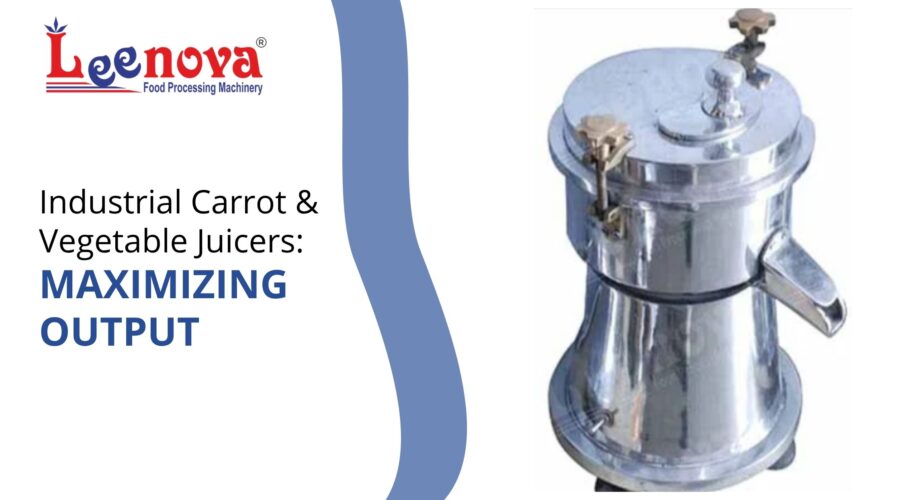
Most commercial kitchens lose 30-40% of their carrot juice yield to inefficient extraction, while home users abandon juicers within three months because cleaning takes longer than actual juicing. The wrong juicer type creates foam, oxidizes nutrients, or stalls mid-batch when processing fibrous vegetables like carrots and beets. This guide breaks down the three main juicer technologies, explains motor power and capacity metrics that actually matter, and shows how to match equipment to daily carrot volume—whether you’re juicing 10 glasses at home or 500 servings in a café. You’ll learn which features prevent common bottlenecks, how to calculate true cost per

Sugarcane Juice Machine: Step-by-Step Working Mechanism Explained

Sugarcane Juice Machine: Step-by-Step Working Mechanism Explained

Sugarcane juice outlets lose the most money in places they never track: wastage, slow service, and frequent breakdowns. Staff struggle with sticky rollers, inconsistent juice output, and machines that are hard to clean mid-day. The result is longer queues, uneven taste, and tired operators. A well-designed sugarcane juice machine changes that by turning a messy, manual process into a controlled, repeatable workflow. As a commercial food equipment maker with a full range of juice machines, Leenova understands how rollers, motors, and hygiene details affect daily sales, not just specifications on a sheet. This guide walks through the step-by-step working mechanism,

Roti Pressing Machine: Transforming Your Commercial Kitchen Efficiency

Roti Pressing Machine: Transforming Your Commercial Kitchen Efficiency

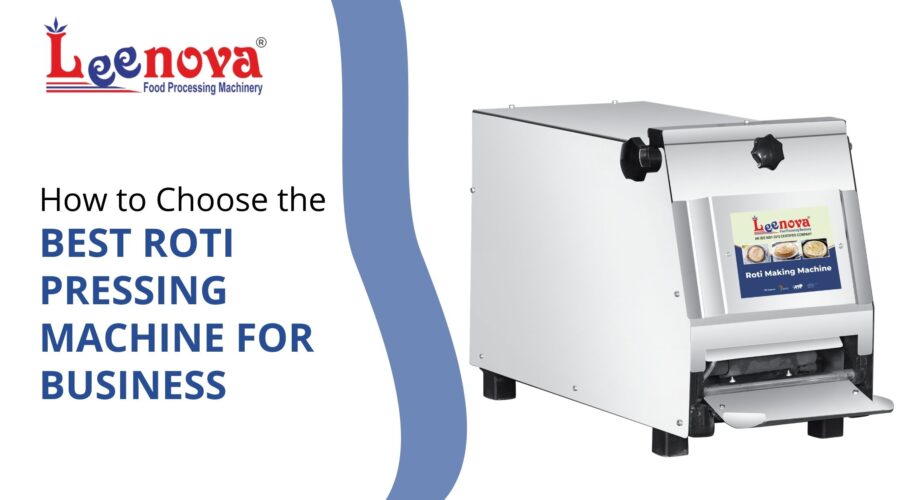
Roti rolling is one of the biggest hidden bottlenecks in commercial kitchens. Two or three staff spend hours at the counter, rolling uneven rotis that slow service and strain labor budgets. When volume spikes, quality drops first: thickness varies, diameters wobble, and puffing becomes unpredictable. A roti pressing machine changes that equation by separating skill from output and making each roti a repeatable process instead of an art form. A well-specified pressing machine can handle 500–2,000+ rotis per hour with one operator, while keeping diameter and thickness within tight tolerances. That jump in consistency has side effects managers often miss:

Upgrading Food Line: Manual to Mechanical Potato Peeler Machine

Upgrading Food Line: Manual to Mechanical Potato Peeler Machine

Introduction Manual potato peeling wastes 20-30% of raw material through inconsistent knife work and excessive flesh removal. Commercial kitchens processing 150-200 kg daily lose 30-60 kg of usable product, equivalent to ₹6,000-₹12,000 monthly at current market rates. Staff spend 2-3 hours on repetitive peeling tasks that cause fatigue, slow prep cycles, and create hygiene vulnerabilities. Mechanical peelers cut waste to under 10% while processing 200-400 kg/hr with minimal supervision. Most operations recover machine costs within 4-6 months through labor displacement and yield improvement. Yet buyers focus on upfront investment and miss the bigger picture: manual methods cost more long-term through

A Vegetable Cutting Regular Machine: Essential for Commercial Kitchens

A Vegetable Cutting Regular Machine: Essential for Commercial Kitchens

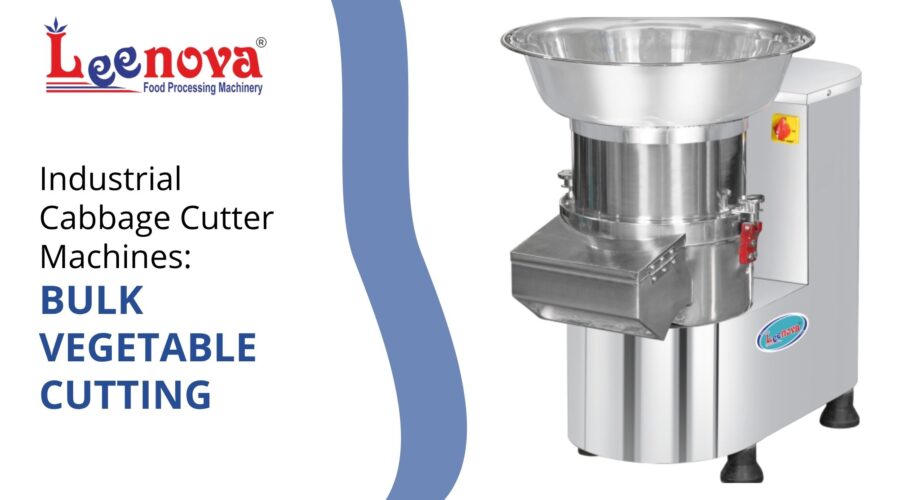
Introduction Commercial kitchens waste 2-3 hours daily on manual vegetable cutting for 200+ meal operations. Staff fatigue, inconsistent cuts, and prep bottlenecks during peak hours slow service and raise labor costs. Manual cutting creates 15-20% more vegetable waste through uneven sizing and poor knife technique. A regular vegetable cutting machine reduces prep time by 65-75% while delivering uniform cuts that cook evenly and present professionally. Most buyers focus on motor power and miss critical factors like actual throughput during continuous operation, blade versatility for multiple cut styles, and maintenance cycles that affect uptime. The wrong machine creates new problems—undersized capacity

Fafda Making Machine Price in Rajkot

Fafda Making Machine

Searching for the best fafda making machine in Rajkot? Discover affordable solutions, latest models, and outstanding service with Leenova Kitchen Equipment, a trusted name in food processing machinery.​ Why Choose Leenova for Your Fafda Making Machine? Leenova Kitchen Equipment is a renowned manufacturer in Rajkot, Gujarat, recognized for delivering top-quality and durable machines at competitive prices. With years of expertise in food processing machinery, Leenova ensures customer satisfaction by offering modern designs, reliable customer support, and robust build quality.​ Skilled manufacturing based in Rajkot​ Durable stainless steel materials for long service life​ Competitive, market-leading pricing options​ Fafda Making Machine Specifications

Save Labor & Boost Productivity with a Garlic Peeler Machine

Save Labor & Boost Productivity with a Garlic Peeler Machine

Introduction Peeling garlic by hand burns through labor hours faster than most kitchen managers realize. A single operator peels 20–30 kg per hour—at best. When you’re running a commercial kitchen, cloud kitchen, or processing facility, that bottleneck kills productivity, drives up costs, and leaves your prep staff with blisters and garlic burns. A garlic peeler machine changes the equation completely. It processes 50–300 kg per hour depending on capacity, cuts labor costs by up to 95%, and eliminates 97% of manual peeling time. That’s not incremental improvement—it’s a complete workflow transformation. This post breaks down how garlic peeler machines work,