
Author: LKE_Admin

Restaurant Onion Cutter: Essential Features & Benefits

Restaurant Onion Cutter: Essential Features & Benefits

Manual onion cutting in restaurant kitchens costs ₹45-60 per hour in labor for a task that triggers eye irritation, increases injury risk, and produces inconsistent cuts. A chef cutting 30 kg of onions manually spends 2.5-3 hours on prep work, often while tears stream down their face. Research shows that 67% of kitchen knife injuries involve onion and vegetable prep, with most occurring during repetitive cutting tasks. A commercial onion cutter eliminates these problems entirely. As a food processing equipment manufacturer since 2006, we design onion cutters that process 25-200 kg per hour with uniform cuts, zero eye irritation, and

5 Essential Things Before Buying a Potato Peeler Machine

5 Essential Things Before Buying a Potato Peeler Machine

Introduction Most commercial kitchens lose 15-25% of potato volume during manual peeling. Staff spend 90-120 minutes daily on repetitive peeling tasks that slow prep cycles and increase labor costs. Buying the wrong peeler compounds these problems—undersized machines create bottlenecks during peak prep, while oversized units waste power and floor space. The right potato peeler cuts prep time by 70-80% and reduces peel waste to under 15%. Most buyers focus on drum capacity and miss critical factors like motor duty rating, abrasive drum replacement cycles, and actual throughput during continuous operation. A 20 kg machine doesn’t peel 20 kg per hour—it

Manual vs. Automated Vegetable Cutting Systems: Kitchen Fit?

Manual vs. Automated Vegetable Cutting Systems: Kitchen Fit?

Introduction Commercial kitchens lose up to 30% of their prep time to manual cutting tasks, and most operators don’t realize it until labor costs spiral out of control. Whether you run a cloud kitchen, a hotel, or a catering business, choosing between manual and automated vegetable cutting systems determines your kitchen’s efficiency, consistency, and long-term profitability. Manual systems offer control and low upfront cost. Automated systems deliver speed, precision, and scalability. But the real question isn’t which is better—it’s which fits your operation right now and where you’re headed in the next two years. This post walks you through the

Garlic Peeler Machines: Guide, Working Principle & Benefits

Garlic Peeler Machines: Guide, Working Principle & Benefits

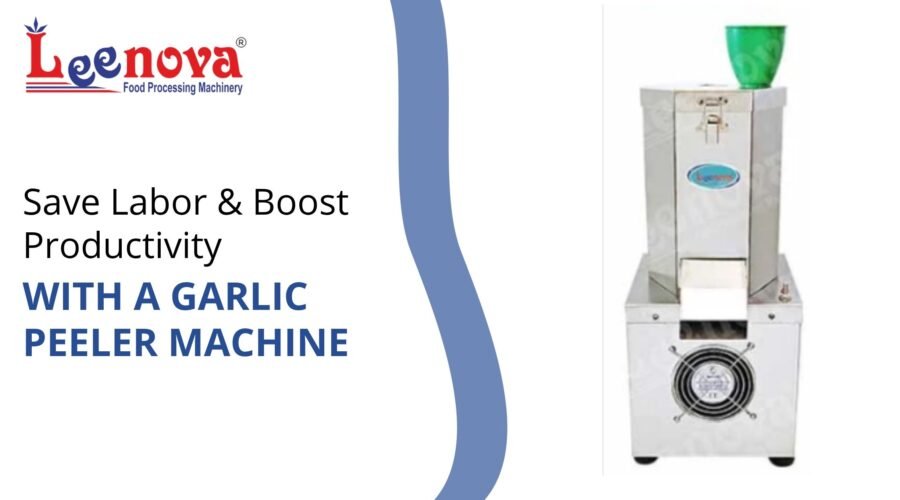
Manual garlic peeling costs restaurants ₹16-18 per kilogram in labor, plus 1.5-2 hours of prep time daily. A commercial kitchen peeling 20 kg of garlic daily spends 30-40 hours monthly on this single task. A garlic peeler machine eliminates that waste. Research shows automated peeling saves 97% of manual labor time and reduces processing costs by 95%. As a food processing equipment manufacturer since 2006, we design garlic peelers that process 10-12 kg per hour while maintaining 86-99% peeling efficiency with minimal clove damage. This guide explains how garlic peeler machines work, the types available, capacity considerations, operational benefits, and

Onion Cutter: Choosing the Best Machine for Food Processing

Onion Cutter: Choosing the Best Machine for Food Processing

Introduction Commercial kitchens waste 40-60 minutes daily on manual onion prep. Staff tears, inconsistent cuts, and slow throughput kill efficiency during peak hours. The wrong onion cutter compounds these problems through frequent breakdowns, expensive blade replacements, and output that doesn’t match claimed capacity. The right machine cuts prep time by 75% while delivering uniform slices or dice that cook evenly. Most buyers focus on upfront cost and miss critical factors like actual throughput under continuous use, blade longevity with different onion varieties, and versatility for other vegetables. This guide breaks down capacity ratings, blade configurations, motor specifications, and maintenance requirements.

Best Masala Grinder Mill: Enhance Flavor & Atomize

Best Masala Grinder Mill: Enhance Flavor & Atomize

Spice processors lose 15-43% of essential oils during conventional grinding because most machines run at temperatures exceeding 40°C. This heat destroys the volatile compounds that define flavor intensity, forcing buyers to use 20-30% more spice to achieve the same taste profile. Advanced masala grinder mills with controlled atomization systems maintain grinding temperatures below 25°C, preserving 92-97% of volatile oils while producing particle sizes between 50-150 microns—the optimal range for maximum flavor release. The difference shows up in blind taste tests and ingredient cost savings. This piece explains how atomization works, what technical features actually matter, and how to match machine

Commercial Masala & Herb Grinder Machine for Spices

Commercial Masala & Herb Grinder Machine for Spices

Spice processors face a persistent problem: heat buildup during grinding destroys volatile oils, killing the aroma that makes premium spices valuable. Traditional grinding methods generate friction temperatures exceeding 50°C, causing essential oil loss of up to 30% during processing. A commercial masala and herb grinder built with proper cooling systems and optimized blade speed preserves these aromatics while processing 40-100 kg per hour. The difference shows up in flavor retention tests and customer willingness to pay premium prices.  This piece breaks down how these machines work, what separates effective models from cheap alternatives, and why investing in the right grinder

Commercial 250kg/hr Gravy Machine: 5 HP SS Grinder

Commercial 250kg/hr Gravy Machine: 5 HP SS Grinder

Large-scale catering and banquet operations grind over 200 kg of ingredients daily, yet most rely on 2-3 HP machines built for restaurant volumes. The result: overheated motors, inconsistent batches, and prep delays that ripple through service. A 5 HP stainless steel gravy machine rated for 250 kg/hr eliminates this bottleneck, processing wedding-scale volumes without breaking stride. This guide covers specifications, construction advantages, operational benefits, and maintenance protocols for high-capacity commercial grinding. Technical Specifications and Capacity Motor Power and Voltage Configuration A 5 HP three-phase motor delivers 3.7 kW of continuous power, handling dense ingredients like boiled chickpeas, coconut chutneys, and

Commercial Gravy Machine Sale: Best Price Online Now

Commercial Gravy Machine Sale: Best Price Online Now

Restaurant kitchens lose an average of 3-4 hours daily on manual grinding. Chefs chop, grind, and blend onions, tomatoes, ginger, and garlic by hand or with undersized equipment that struggles during peak service. A commercial gravy machine eliminates that bottleneck. As a kitchen equipment manufacturer since 2006, we design gravy machines that process 35-50 kg of ingredients per hour while maintaining texture and freshness. This guide explains what commercial gravy machines do, which capacity fits different operations, how pricing works, and what features justify the investment. What Is a Commercial Gravy Machine? A commercial gravy machine grinds wet ingredients into

High-Capacity 7.5 HP Gravy Machine Commercial Use

High-Capacity 7.5 HP Gravy Machine Commercial Use

Running a commercial kitchen means facing the same problem every day: manually grinding vegetables, spices, and gravy bases eats up hours. Staff stand over traditional grinding stones or use multiple smaller machines that can’t keep up with peak hour demand. A high-capacity 7.5 HP gravy machine transforms this bottleneck into a streamlined operation, processing 600-700 kg of ingredients per hour with consistent quality. This machine doesn’t just speed things up—it cuts labor costs by up to 40% and reduces the physical strain on kitchen staff, addressing the labor shortage that’s hitting 52% of food service operators. This piece walks through