
Year: February 18, 2026

Why High-Volume Bakeries Need Automated Dough Ball Cutters
Automated Dough Ball Cutters

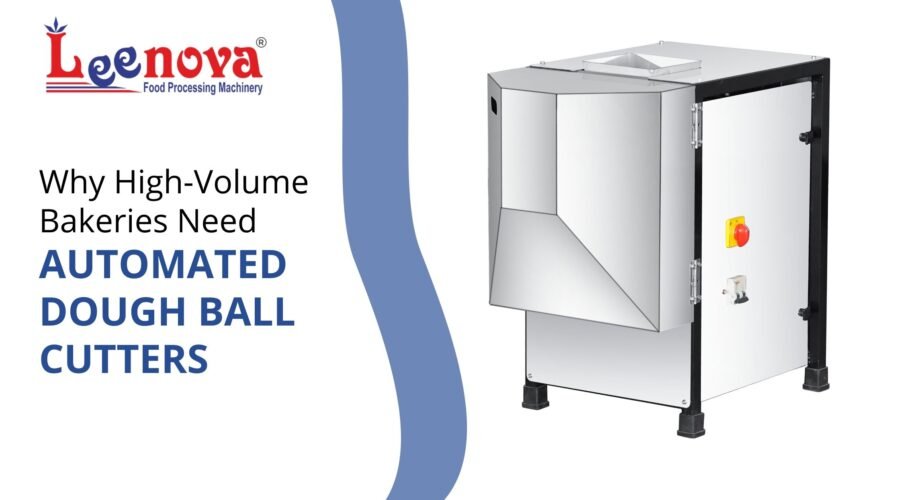
Manual dough portioning is where most scaling bakeries hit their ceiling. A skilled worker shapes 200-250 pav balls per hour, but consistency suffers—portions vary 10-15g, creating uneven baking and customer complaints about “today’s pav being smaller”. When daily demand crosses 2,000-3,000 pieces, bakeries need 8-10 hours of dedicated hand-shaping labor, tying up workers who could handle finishing, packing, or customer service. Automated dough ball cutters eliminate this bottleneck, producing 500-4,000 uniform portions per hour with ±2% weight accuracy. This guide explains why high-volume operations can’t scale without automation, how to match machine capacity to production targets, which features actually matter

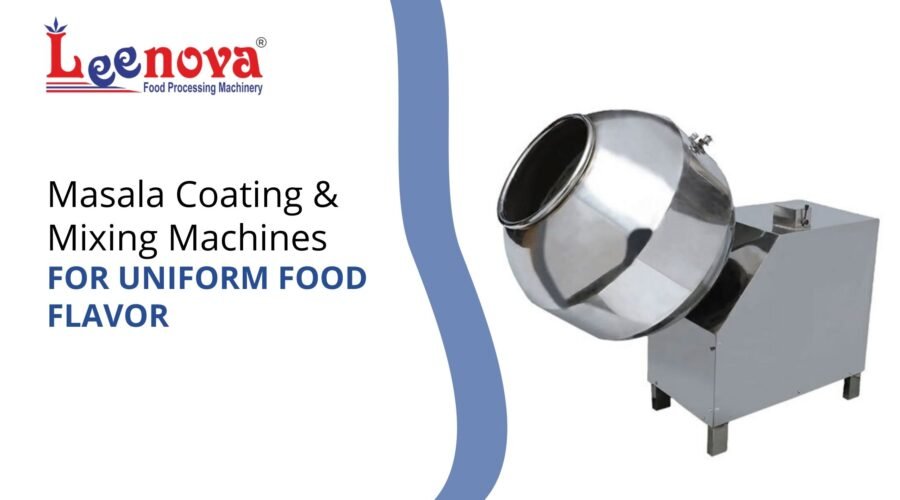
Masala Coating & Mixing Machines for Uniform Food Flavor

Masala Coating & Mixing Machines

Manual masala coating creates flavor inconsistency that customers notice immediately. One handful of namkeen tastes over-spiced while the next tastes bland—the result of hand-mixing in tubs where some pieces get heavy coating while others barely touch the masala. Snack producers mixing 50-100 kg batches manually lose 12-18% of expensive seasoning to floor spills, tub residue, and uneven distribution. Quality control becomes impossible when every batch varies despite using identical recipes. Masala coating pans and mixing machines eliminate this variation completely. Rotating drums tumble products with controlled masala addition, delivering 95-98% coating uniformity across every piece in 3-5 minutes per batch.

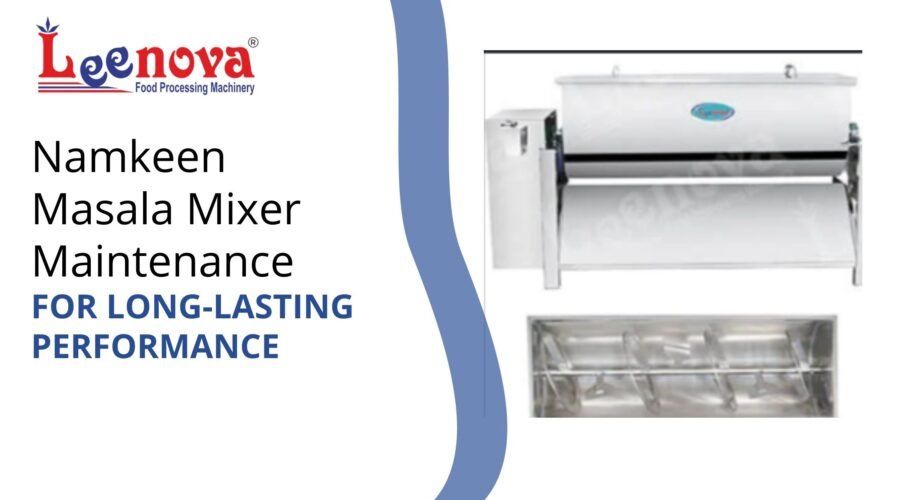
Namkeen Masala Mixer Maintenance for Long-Lasting Performance

Namkeen Masala Mixer Maintenance for Long-Lasting Performance

Introduction Namkeen masala mixers run 6-8 hours daily in most snack plants, yet 70% of operators skip cleaning until sticky buildup forces a shutdown. The pattern repeats: masala cakes onto drum surfaces, blending becomes uneven, product breaks during tumbling, and seasoning waste jumps from 3% to 12-15%. What started as a skipped 10-minute cleaning becomes a 4-hour scraping session with production halted. Structured maintenance cuts seasoning waste by half while extending mixer life from 4-5 years to 8-10 years. The uncomfortable reality: most mixer “failures” trace to neglect, not design flaws. Loose bolts create vibration that cracks welds. Dry bearings

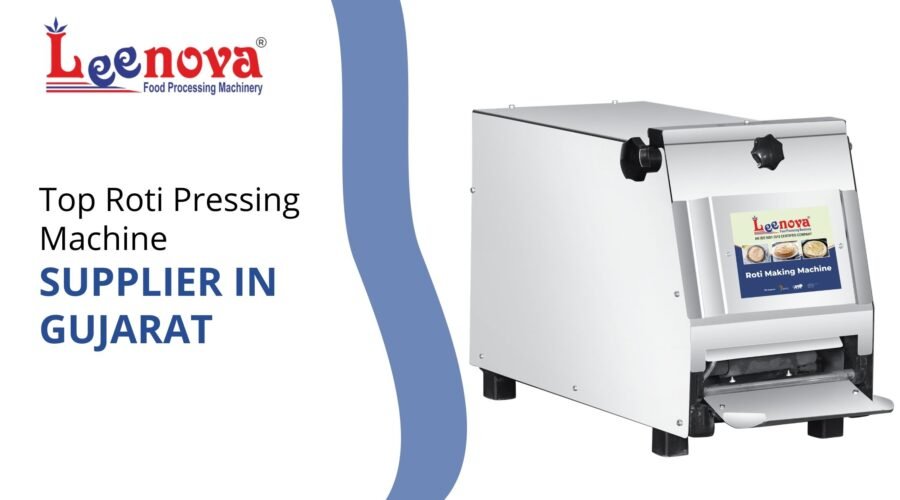
Top Roti Pressing Machine Supplier in Gujarat

Top Roti Pressing Machine Supplier in Gujarat

Manual roti making costs commercial kitchens ₹60-80 per hour in labor for a task that produces 40-50 rotis hourly with inconsistent size and thickness. A restaurant serving 200-300 customers daily needs 400-600 rotis across lunch and dinner service, tying up 2-3 staff members for 8-10 hours in rolling alone. The size variation creates cooking problems—thin rotis burn while thick ones stay undercooked, affecting customer satisfaction. A commercial roti pressing machine eliminates these issues entirely. Modern machines produce 600-800 rotis per hour with uniform 6-8 inch diameter and consistent thickness, operated by a single person. Gujarat has emerged as India’s leading

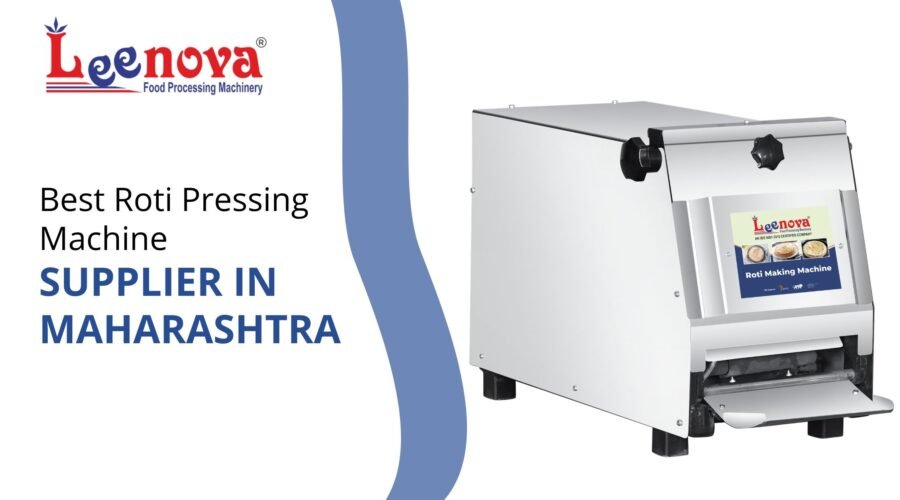
Best Roti Pressing Machine Supplier in Maharashtra

Best Roti Pressing Machine Supplier in Maharashtra

Introduction Most commercial kitchens select roti pressing machines based on specifications and price, then discover the supplier matters more than the machine itself. A ₹45,000 pressing machine becomes worthless when it breaks down mid-service and the supplier takes 7-10 days to deliver spare plates or send a technician. Operators struggle with machines they were never properly trained to use, and “warranty coverage” means nothing when the supplier doesn’t answer calls. The uncomfortable reality: 60-70% of commercial equipment failures trace to poor supplier support, not machine defects. A slightly more expensive machine from a responsive local supplier typically costs less over

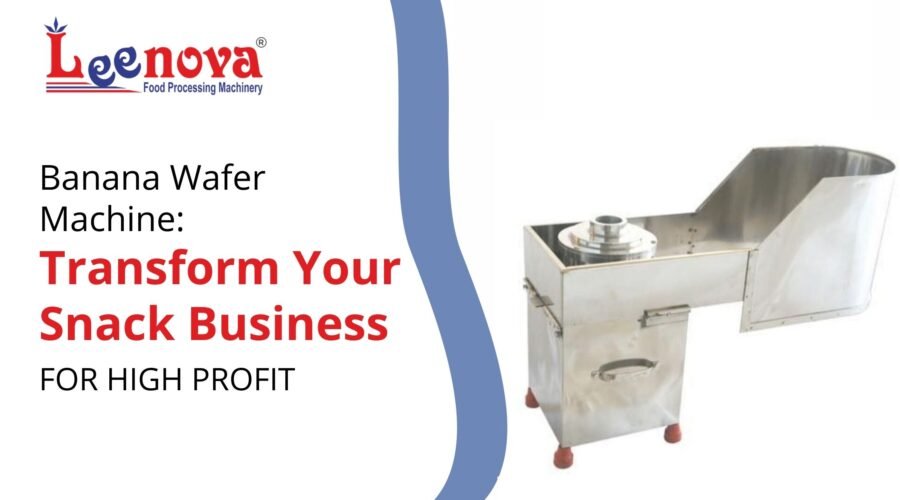
Banana Wafer Machine: Transform Your Snack Business for High Profit

Banana Wafer Machine: Transform Your Snack Business for High Profit

Small banana chip makers slice 8–12 kg of raw bananas per hour manually, paying ₹50–70 per hour for labor that delivers uneven thickness, breaks 15–20% of slices during handling, and creates a product that looks inconsistent in every batch. Scale beyond 40–50 kg daily output and you hit a ceiling: hire more slicers and watch labor costs eat 30–40% of revenue; push existing staff harder and quality falls apart during peak orders. A commercial banana wafer machine processes 200–350 kg per hour with uniform slice thickness, eliminates knife-skill variation, and runs on single-phase power with one operator loading bananas. The

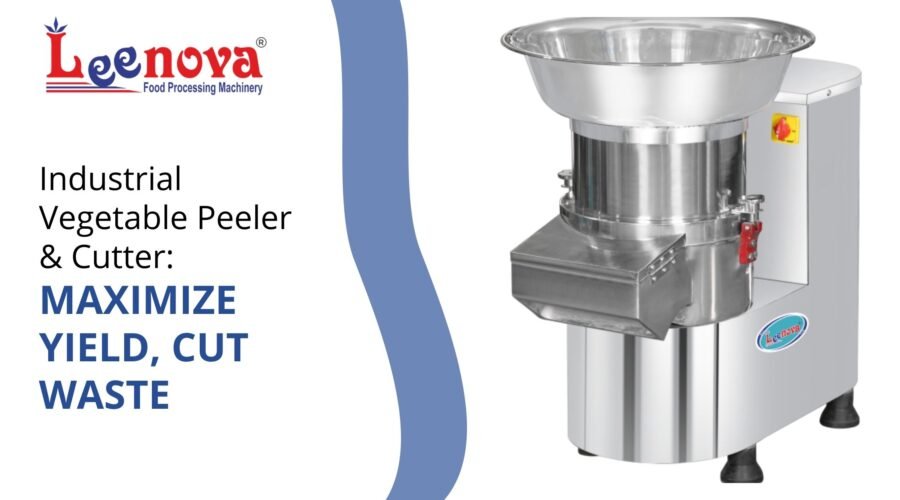
Industrial Vegetable Peeler & Cutter: Maximize Yield, Cut Waste

Industrial Vegetable Peeler & Cutter: Maximize Yield, Cut Waste

Manual vegetable prep in commercial kitchens typically wastes 18-25% of raw material through over-peeling, uneven trimming, and inconsistent portioning. A cook peeling 50 kg of potatoes manually removes 12-15 kg as waste; an industrial peeler extracts the same usable product with just 8-10 kg loss—a 30-40% improvement in yield. That difference compounds across thousands of kilograms monthly, turning waste into margin. Industrial vegetable peeler and cutter machines automate both steps, delivering uniform peel thickness, consistent cut sizes, and measurable cost savings. This guide explains how these machines work, the capacity bands that match different operations, which features actually improve yield

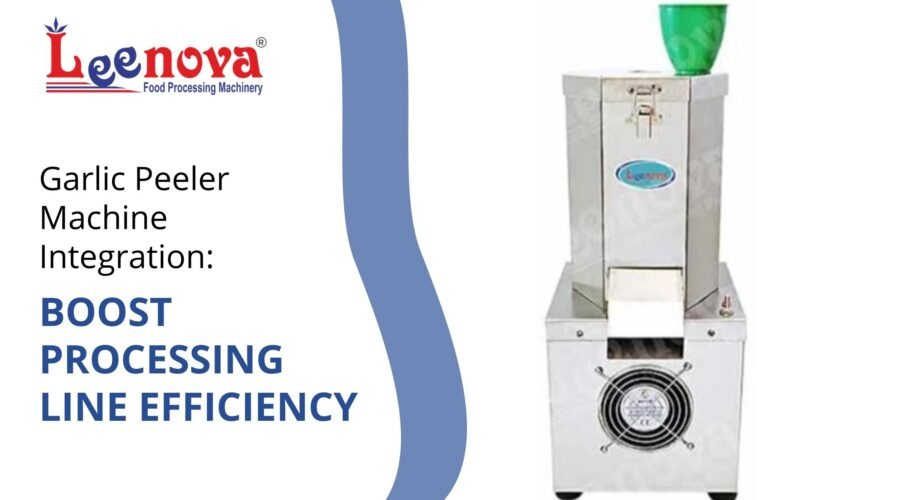
Garlic Peeler Machine Integration: Boost Processing Line Efficiency

Garlic Peeler Machine Integration: Boost Processing Line Efficiency

Food processing lines lose the most efficiency at manual bottlenecks. Garlic peeling operations create the worst delays—processors handling 200-500 kg daily spend 40-50% of total production time on this single task when done manually or with standalone batch machines. Workers peel, inspect, and sort while downstream cutting, washing, and packaging equipment sits idle waiting for material flow. An integrated garlic peeler machine transforms this bottleneck into continuous throughput. Full processing lines with automated feeding, peeling, separation, and discharge systems can handle 100-2000 kg per hour with 2-3 operators versus 15-20 workers for equivalent manual capacity. As commercial kitchen equipment manufacturers

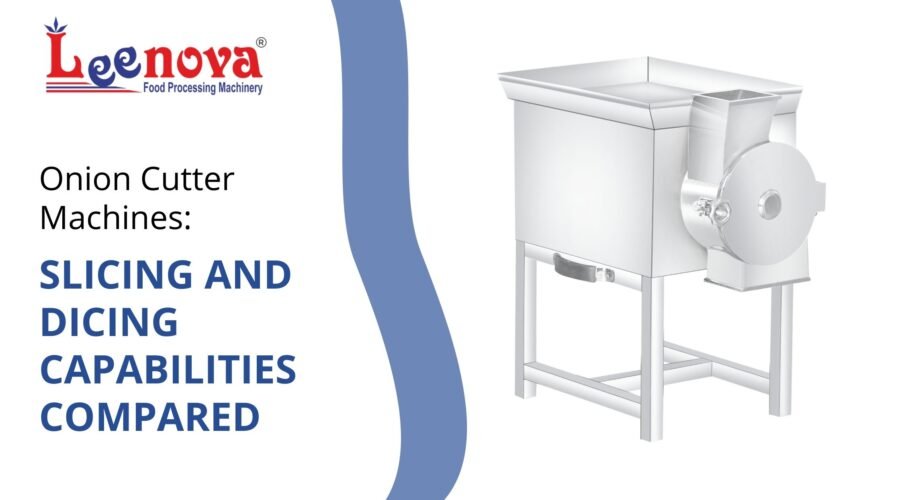
Onion Cutter Machines: Slicing and Dicing Capabilities Compared

Onion Cutter Machines: Slicing and Dicing Capabilities Compared

Introduction Most commercial kitchens buy onion cutters based on price and capacity alone, then discover the machine can’t deliver the cut styles their menu requires. A slicer produces uniform rounds perfect for burgers but useless for curries. A dicer creates cubes ideal for stir-fries but can’t handle the thin rings needed for salads. Buying the wrong type means staff still do 40-60% of cutting by hand, defeating the automation investment. The difference between slicing and dicing isn’t just blade configuration—it affects prep speed, waste percentages, menu versatility, and maintenance requirements. Multi-function machines promise both capabilities but often compromise on precision

Boost Small-Scale Garlic Processing with a Peeler Machine

Boost Small-Scale Garlic Processing with a Peeler Machine

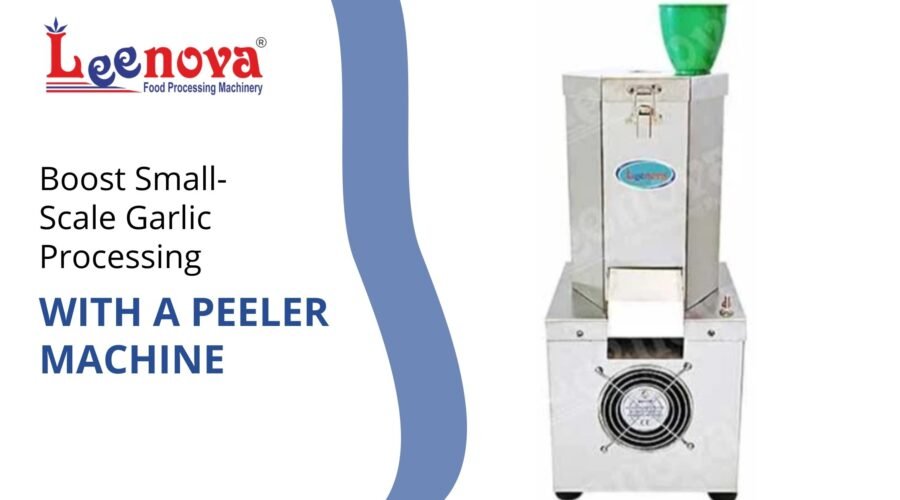
Small-scale garlic processors face a labor trap. Manual peeling costs ₹16-18 per kilogram when factoring in the time required, and workers spend hours daily on this repetitive task that causes hand strain and eye irritation. A restaurant peeling 15-20 kg daily loses 2-3 hours of prep time that could go toward actual cooking and service. Home-based food businesses and small catering units struggle even more—the labor cost makes garlic-heavy recipes less profitable. An automatic garlic peeler machine changes this completely. These compact machines process 10-12 kg per hour with 86-95% peeling efficiency while reducing hand contact by 90%. As kitchen