
Month: April 14, 2026

SS Sink Unit vs Regular Kitchen Sink: Hygiene & Durability
SS Sink Unit vs Regular Kitchen Sink: Hygiene & Durability

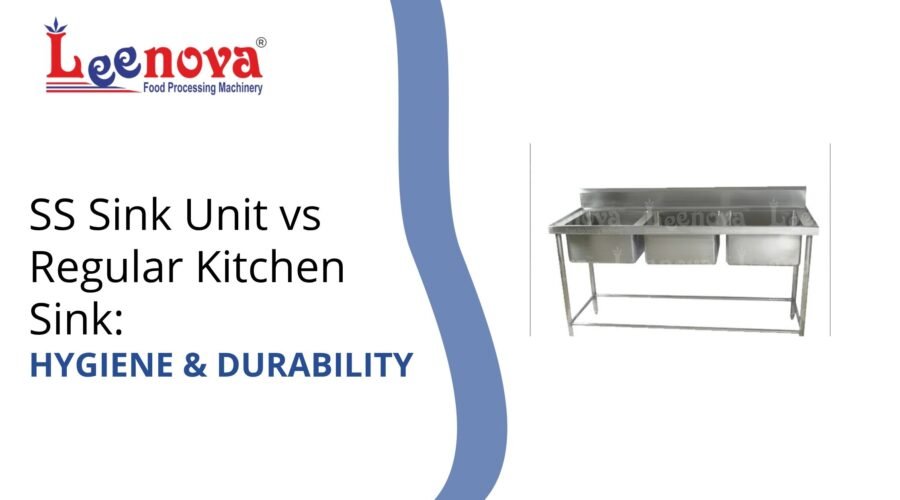
Restaurant kitchens, catering units, and cloud kitchens that install domestic ceramic or composite sinks replace them within 3–5 years—cracked basins from dropped pans, yellowed surfaces that trap grease regardless of scrubbing, and glaze that chips and harbors bacteria in crevices that no cleaning product fully reaches. The sink is the highest-contact surface in any food production environment, used 80–120 times daily in a busy commercial kitchen, and yet most buyers choose it based on showroom appearance rather than performance under sustained daily load. A commercial SS sink unit lasts 15–30 years in continuous use, resists bacterial adhesion on its non-porous

Essential Commercial Cooking Range for Small Food Factories

Essential Commercial Cooking Range for Small Food Factories

Small food factories run into the same wall: domestic or semi-commercial cooking ranges that overheat after two hours, lose BTU output mid-batch, and create uneven cooking that forces rework. The cost isn’t just in rejected products—it’s in delayed dispatch, inconsistent quality across batches, and utility bills from equipment running longer than it should to compensate for poor heat delivery. A properly specified commercial cooking range solves these problems by delivering consistent heat output, appropriate burner configurations, and durable construction built for 8-10 hour daily operation cycles. This guide covers the main range types for small food factory settings, how to

Coating Pan Machines: Commercial Scale Snack & Namkeen Making

Coating Pan Machines: Commercial Scale Snack & Namkeen Making

Manual masala coating in commercial namkeen production delivers inconsistent results regardless of how skilled the operators are. Workers hand-toss 40-50 kg batches in wide tubs and lose 12-18% of expensive seasoning to floor spills, tub adhesion, and uneven distribution—while some pieces absorb triple the masala and others stay completely bland. At ₹300-500 per kg of masala, that wastage costs snack producers ₹1,800-4,500 monthly for a 100 kg daily operation. A coating pan machine eliminates this entirely. The rotating drum applies oil and masala uniformly to every piece in the batch through controlled tumbling, reducing seasoning wastage to 3-5% while cutting

Chutney Machines: Streamline Your Indian Kitchen Workflow

Chutney Machines: Streamline Your Indian Kitchen Workflow

Introduction Commercial Indian kitchens grind 15-30 kg of chutney daily using staff who could be doing higher-value prep work. A single wet grinder takes 8-12 minutes per batch, requires constant supervision, and delivers inconsistent texture when operators rush. During peak service—when 200 dosas need plating in 90 minutes—chutney running out mid-service is a genuine operational failure, not just an inconvenience. A dedicated chutney machine processes the same batch in 3-4 minutes with repeatable texture every time, freeing staff to focus on cooking and plating. The uncomfortable reality most kitchen managers discover late: flavor carryover between batches (coconut into peanut, mint

Industrial Carrot & Vegetable Juicers: Maximizing Output

Industrial Carrot & Vegetable Juicers: Maximizing Output

Juice stalls, hotel kitchens, and hospital canteens processing 50–100 kg of carrots daily with domestic centrifugal juicers replace machines every 8–12 months, spend 20–30 minutes clearing clogged filters mid-service, and lose 30–40% of extractable juice in dry, poorly pressed pulp. The root cause isn’t the produce—it’s equipment rated for 2–3 kg per hour running 8–10 hour commercial shifts that destroy motors, overheat blades, and jam on whole carrots that don’t fit a narrow feed tube. An industrial carrot and vegetable juicer handles 50–200 kg per hour, accepts whole or minimally cut produce through wide-mouth hoppers, and extracts 65–75% of juice

Industrial Cabbage Cutter Machines: Bulk Vegetable Cutting

Industrial Cabbage Cutter Machines: Bulk Vegetable Cutting

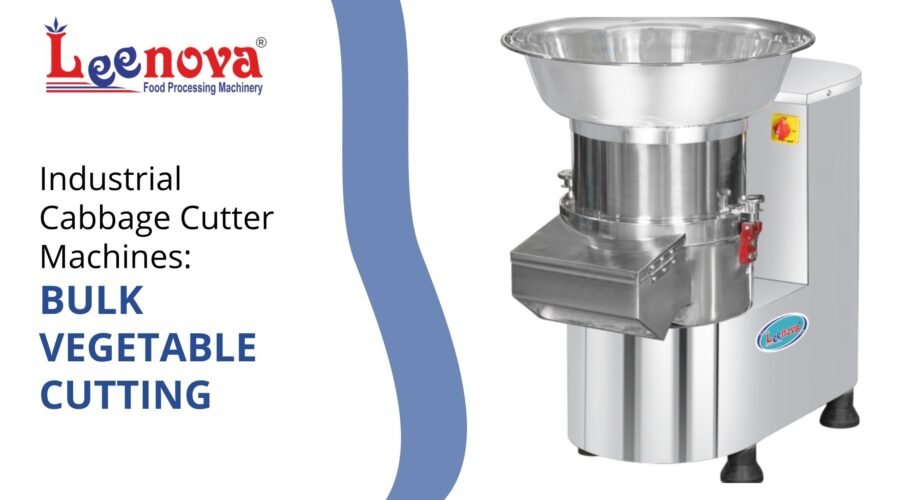
Cabbage is one of the most labour-intensive vegetables in commercial kitchen prep. A cook shredding cabbage by hand processes 8-12 kg per hour—barely enough for a mid-sized restaurant’s daily salad, coleslaw, and Manchurian requirements. When daily volume crosses 50-80 kg, hand-cutting ties up a full worker for 6-7 hours, creates uneven shreds that cook inconsistently, and exposes the kitchen to repeated knife-handling injuries. Industrial cabbage cutter machines resolve this by processing 100-2,000+ kg per hour with uniform cut sizes, minimal operator involvement, and food-grade stainless steel surfaces that clean in minutes. This guide covers machine types, capacity planning, cut styles,

Stainless Steel Kitchen Units: Hygiene & Longevity Guide

Stainless Steel Kitchen Units: Hygiene & Longevity Guide

Most commercial kitchens replace their wooden or MDF cabinets and work units every 4-6 years due to swelling, warping, pest infestation, or hygiene violations during food safety inspections. These replacements cost ₹80,000-2,50,000 per kitchen setup and create operational downtime. The core problem is material—not design. Wood and board-based units absorb moisture, harbour bacteria in invisible pores, and deteriorate under the heat, steam, and chemical cleaners that commercial kitchens use daily. Stainless steel kitchen units eliminate all three failure points simultaneously. Quality SS installations last 25-30 years with basic maintenance, resist bacterial growth, and clean down in minutes rather than hours.

SS Sink Unit Installation: Commercial Kitchen Setup Guide

SS Sink Unit Installation: Commercial Kitchen Setup Guide

Introduction Most commercial kitchen sink installations fail within the first year—not because the sink is defective, but because the installation skipped two steps: proper sealing and correct drain alignment. Water pools under counters, seals crack from daily heat and cleaning chemicals, and drain traps clog from misaligned waste pipes. What looks like a plumbing problem is almost always an installation problem. A correctly installed SS sink unit lasts 15-20 years in commercial use with minimal maintenance. The difference comes down to five decisions made before a single fitting goes in: right SS grade, correct bowl configuration, precise location relative to