

Day: March 21, 2026

Namkeen Making Machine: Automate Your Snack Production
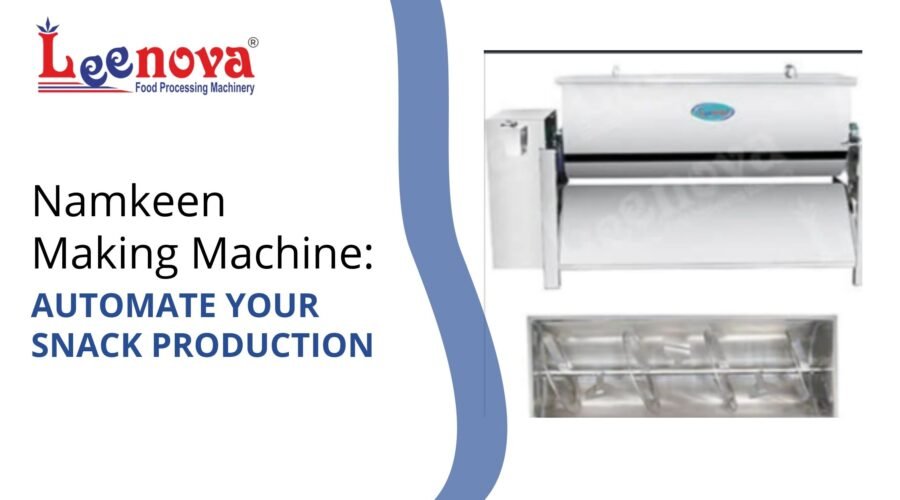
Namkeen Making Machine: Automate Your Snack Production
Manual namkeen production hits a ceiling fast. A skilled worker fries 20-30 kg of sev or bhujia per hour while managing dough consistency, oil temperature, and seasoning by feel—any variable slips and the whole batch does too. Festival season orders, wholesale contracts, and retail tie-ups all demand output that hands and kadais simply cannot deliver at consistent quality. A namkeen making machine breaks this constraint by mechanising mixing, extrusion, frying, and seasoning into a repeatable, scalable process.  This guide covers the production stages you need to automate, the machine types that handle them, capacity bands for different business sizes, and

How to Choose the Best Roti Pressing Machine for Business

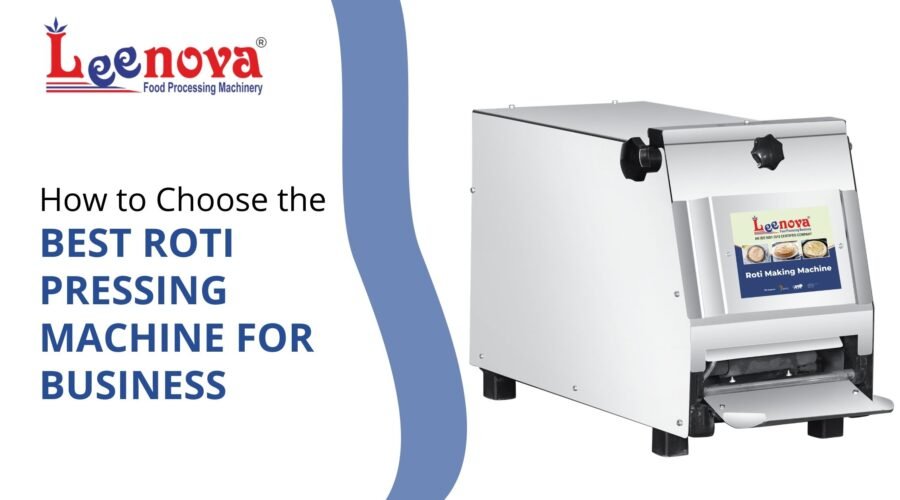
How to Choose the Best Roti Pressing Machine for Business

Manual roti rolling costs commercial kitchens 40-50 rotis per hour per worker—a throughput rate that collapses entirely during peak lunch and dinner service. A 100-seat restaurant needing 400 rotis per service shift requires 3-4 dedicated staff just for rolling, and even then, inconsistent thickness creates uneven cooking that generates customer complaints. Most buyers make the mistake of choosing a machine based on price alone, then discover the capacity is too low, the plates warp after three months, or the electrical requirements don’t match their kitchen setup. A well-matched roti pressing machine delivers 300-1,000 uniform rotis per hour with one operator.