
Month: March 21, 2026

Namkeen Making Machine: Automate Your Snack Production
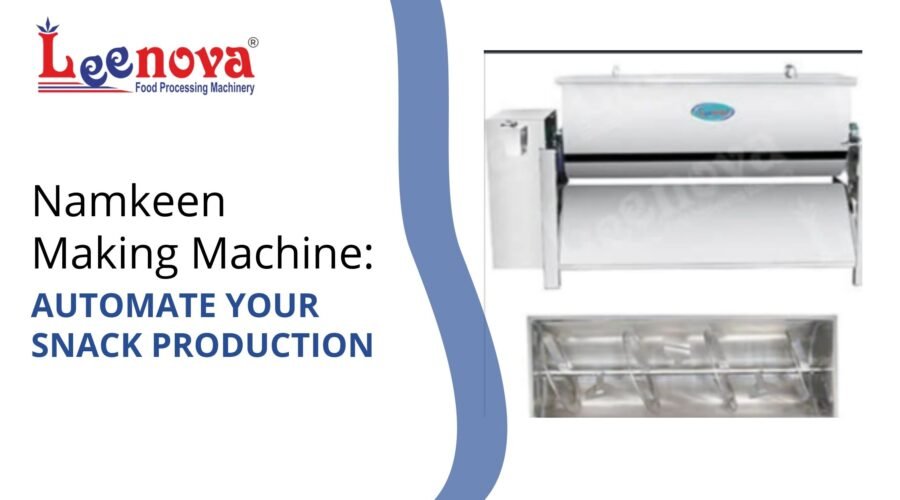
Namkeen Making Machine: Automate Your Snack Production
Manual namkeen production hits a ceiling fast. A skilled worker fries 20-30 kg of sev or bhujia per hour while managing dough consistency, oil temperature, and seasoning by feel—any variable slips and the whole batch does too. Festival season orders, wholesale contracts, and retail tie-ups all demand output that hands and kadais simply cannot deliver at consistent quality. A namkeen making machine breaks this constraint by mechanising mixing, extrusion, frying, and seasoning into a repeatable, scalable process.  This guide covers the production stages you need to automate, the machine types that handle them, capacity bands for different business sizes, and

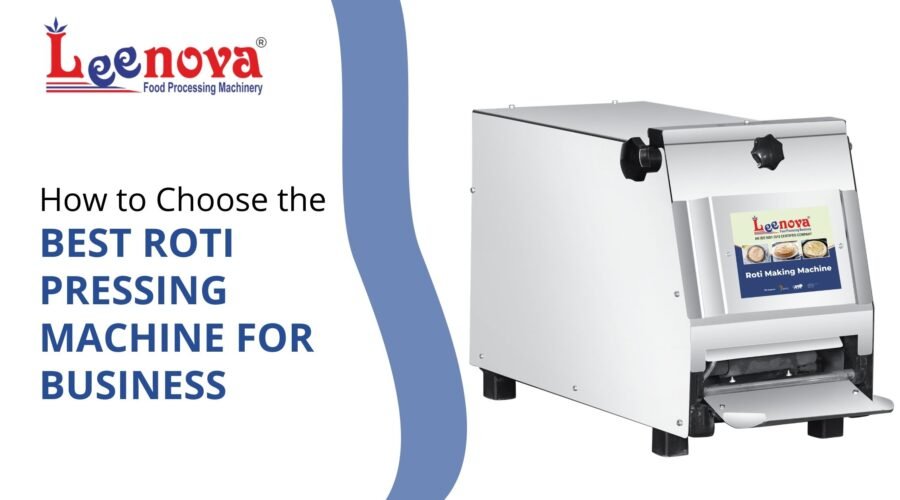
How to Choose the Best Roti Pressing Machine for Business

How to Choose the Best Roti Pressing Machine for Business

Manual roti rolling costs commercial kitchens 40-50 rotis per hour per worker—a throughput rate that collapses entirely during peak lunch and dinner service. A 100-seat restaurant needing 400 rotis per service shift requires 3-4 dedicated staff just for rolling, and even then, inconsistent thickness creates uneven cooking that generates customer complaints. Most buyers make the mistake of choosing a machine based on price alone, then discover the capacity is too low, the plates warp after three months, or the electrical requirements don’t match their kitchen setup. A well-matched roti pressing machine delivers 300-1,000 uniform rotis per hour with one operator.

Start a Banana Chips Business With a Banana Wafer Machine

Start a Banana Chips Business With a Banana Wafer Machine

Introduction Most banana chips startups fail in the first year not because of bad recipes or poor demand, but because founders buy the wrong equipment for their volume, then can’t maintain consistent slice thickness or manage frying batches efficiently during peak production. Manual slicing wastes 25-35% of raw material through uneven cuts and breakage. Underspecified fryers create oil absorption problems that shorten shelf life and spike rejection rates. A correctly matched banana wafer machine changes this. It slices 50-150 kg per hour at uniform 1.5-2mm thickness that fries evenly, produces consistent crunch, and cuts raw material waste to under 8%.

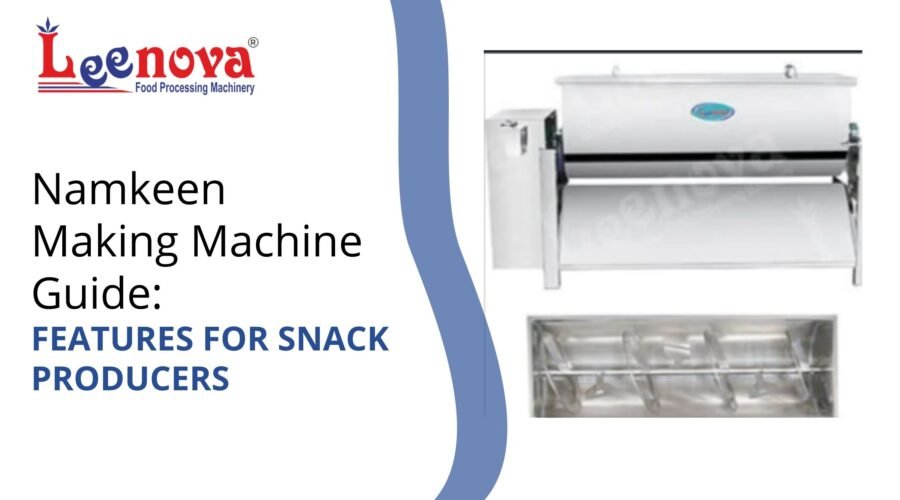
Namkeen Making Machine Guide: Features for Snack Producers

Namkeen Making Machine Guide: Features for Snack Producers

Manual namkeen production stalls at 20–30 kg per hour per operator, consumes 3–4 labor shifts daily to hit 200 kg output, and delivers batch-to-batch inconsistency that costs farsan brands customer trust and repeat orders. Sev thickness varies when hands tire, frying temperature drifts when attention lapses, and seasoning uneven when volumes spike during festivals—problems that compound directly into unsold stock and margin pressure. A commercial namkeen making machine processes 60–500 kg per hour with one operator, maintains uniform extrusion, constant frying temperatures, and even seasoning across every batch. The right combination of extruder, fryer, and coating equipment eliminates the three

Juice and Dough Processing Equipment for New Food Startups

Juice and Dough Processing Equipment

Most new food startups fail their first peak day—not because demand disappears, but because one underpowered juicer or a domestic dough mixer creates a 45-minute queue that kills repeat business. The uncomfortable pattern: founders spend heavily on branding and interiors, then run production on home-grade equipment that stalls when orders double. A single right-sized commercial juicer and one proper dough mixer eliminate this bottleneck before it forms. This guide covers the core juice and dough equipment categories every early-stage food startup needs, realistic capacity bands for your first 6-12 months, and the selection mistakes that force costly upgrades within a

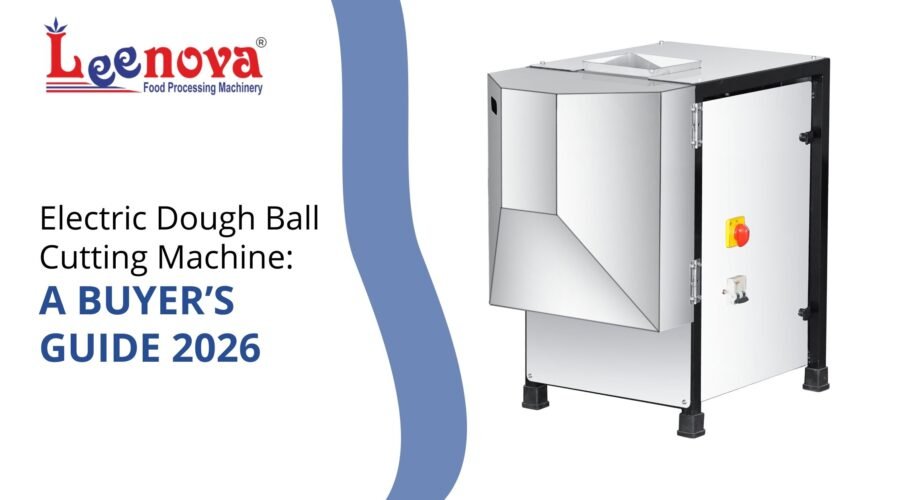
Electric Dough Ball Cutting Machine: A Buyer’s Guide 2026

SEO title preview: Electric Dough Ball Cutting Machine: A Buyer’s Guide 2026

Manual dough cutting in commercial kitchens produces weight variations of 15-25% per ball, meaning one roti puffs perfectly while the next stays flat and chewy. For a tiffin unit preparing 2,000 rotis daily, that inconsistency wastes 8-12% of dough through over-portioning and rejects, while tying up two staff members for 3-4 hours in repetitive cutting and rolling. A well-matched electric dough ball cutting machine eliminates both problems. Compact tabletop units produce 1,000-2,500 uniform balls per hour with one operator; larger automatic machines reach 3,000-4,000 pieces per hour with ±0.1g weight deviation on industrial models. As Gujarat-based food equipment manufacturers since

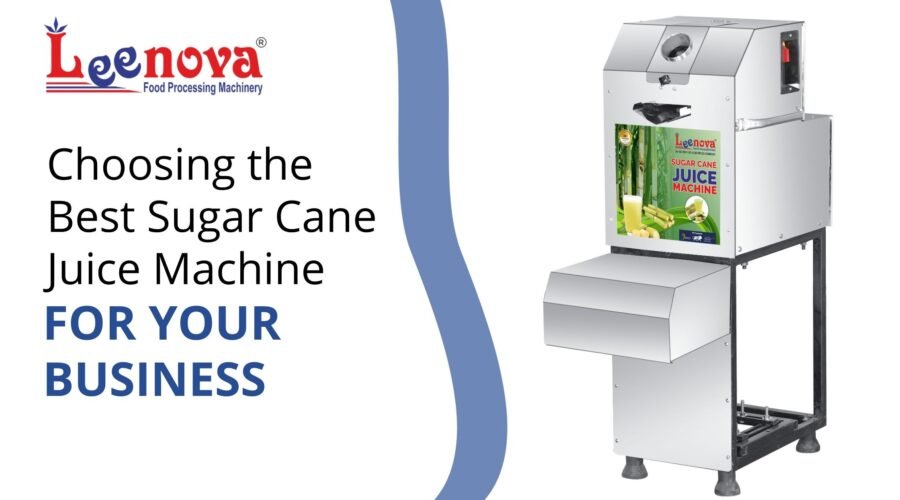
Choosing the Best Sugar Cane Juice Machine for Your Business

Choosing the Best Sugar Cane Juice Machine for Your Business

Introduction Most sugarcane juice vendors choose machines based on price and appearance, then discover the wrong roller count, undersized motor, or poor-grade stainless steel costs them 30-40 cups of lost output daily through slow extraction and frequent downtime. A machine rated for 200 cups per day delivers 120-140 under real peak conditions when cane is thick, staff rotates, and cleaning time cuts into service hours. The right machine transforms this. A properly matched 3-roller electric unit with food-grade stainless contact surfaces processes 60-80 cups per hour while maintaining consistent juice quality and taking under 10 minutes to clean per shift.